 EN
EN

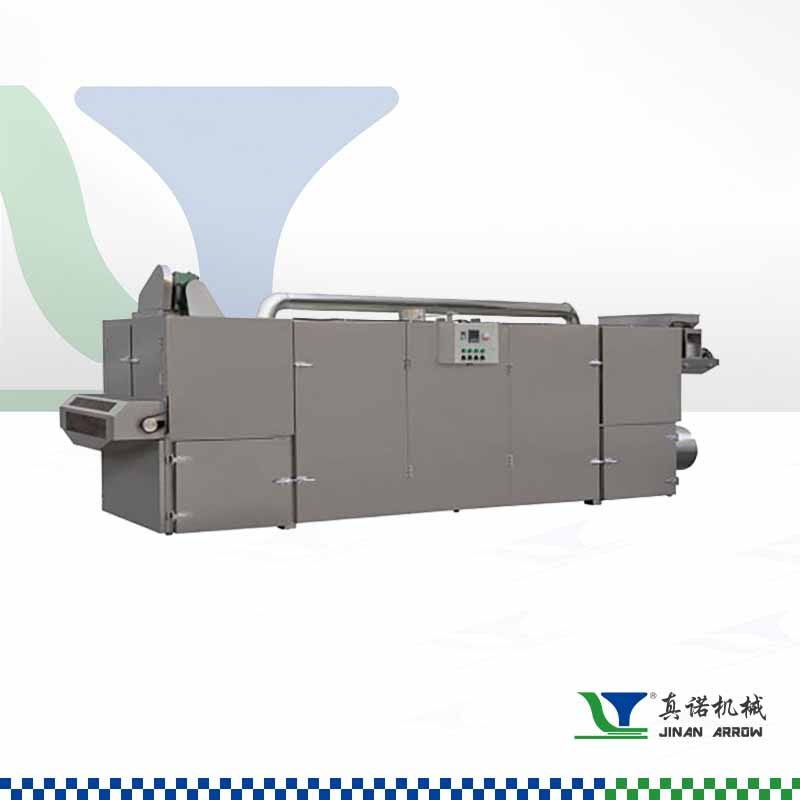
Understanding the Physics of Internal Chamber Air Circulation
Achieving consistent moisture removal across every tray of agricultural produce or processed snacks begins with a firm grasp of thermodynamic fluid dynamics inside the drying chamber. When operating a high-capacity food dryer, incoming air must be distributed evenly to prevent hot spots or stagnant moisture pockets that lead to uneven batch results. Thermal engineering specialists and processing consultants consistently observe that laminar airflow patterns outperform turbulent drafts by maintaining a steady thermal envelope. This balanced dynamic ensures that moisture evaporates uniformly from the surface and core layers of the product simultaneously, establishing a dependable operational baseline for food dehydration facilities across diverse global markets.
Optimizing Baffle Placement and Duct Geometry
The structural design of internal air channels plays a decisive role in directing the trajectory of heated air currents toward every corner of the drying trays. Installing precision-engineered deflectors and adjustable baffles inside a modern food dryer allows operators to counteract natural pressure drops and wall friction effects. Industrial manufacturing experts note that carefully calibrated duct geometry eliminates dead zones where humid air tends to accumulate. By guiding the heated drafts along predictable horizontal or vertical vectors, production facilities can maintain stable evaporation rates without constantly rearranging trays by hand during extended drying cycles, improving daily plant workflow.
Calibrating Fan Velocity and Static Pressure Balance
Dynamic control over blower speeds and internal static pressure is vital for maintaining a continuous, uninterrupted volume of drying air under fluctuating load conditions. If fan velocity is set too high, lightweight items can shift and block airflow channels, whereas insufficient velocity leaves inner layers damp. Plant operations supervisors recommend implementing variable frequency drives on a food dryer to fine-tune volumetric output according to the specific density and moisture retention level of the incoming batch. Maintaining this precise pneumatic balance prevents localized over-drying on lower tiers while ensuring upper tiers receive adequate thermal energy.
Monitoring Relative Humidity and Exhaust Venting
Managing the moisture saturation level of circulating air is just as important as supplying continuous heat throughout the dehydration cycle. As moisture evaporates from the food items, the surrounding air absorbs humidity, which must be continuously expelled through optimized exhaust ports to prevent condensation. Food science authorities point out that integrating automated humidity sensors within a food dryer enables real-time damper adjustments, ensuring that exhausted air carries away maximum moisture without wasting thermal input. Effective exhaust management directly protects the integrity, color, and texture of food products during large-scale processing runs.
Implementing Multi-Zone Temperature Regulation
Large-scale processing units often experience temperature gradients from the air intake side to the exhaust side, making zoned heating a necessary feature for uniform drying. Dividing the interior of a commercial food dryer into distinct thermal zones allows operators to apply gradual heat profiles that match the drying curve of the food material. Quality assurance specialists highlight that stepping down thermal intensity toward the end of the drying cycle prevents case hardening, a common defect where outer layers dry too quickly and trap internal moisture. Zoned regulation guarantees consistent product texture throughout the entire batch.
Leveraging Advanced Manufacturing and Engineering Partnerships
Designing and operating efficient food processing lines requires robust hardware built to withstand continuous thermal stress and heavy operational demands. Partnering with a seasoned manufacturing leader ensures that every internal component, from heavy-duty blower fans to insulated chamber walls, meets strict international safety and durability standards. By leveraging the advanced engineering capabilities, strict quality control protocols, and dependable supply chain expertise of industry pioneers like EXTRUSNACK, food manufacturers can equip their facilities with a high-performance food dryer that delivers consistent operational reliability and long-term commercial value.
Table of Contents
- Understanding the Physics of Internal Chamber Air Circulation
- Optimizing Baffle Placement and Duct Geometry
- Calibrating Fan Velocity and Static Pressure Balance
- Monitoring Relative Humidity and Exhaust Venting
- Implementing Multi-Zone Temperature Regulation
- Leveraging Advanced Manufacturing and Engineering Partnerships