 EN
EN

Assessing Production Goals and Output Scale
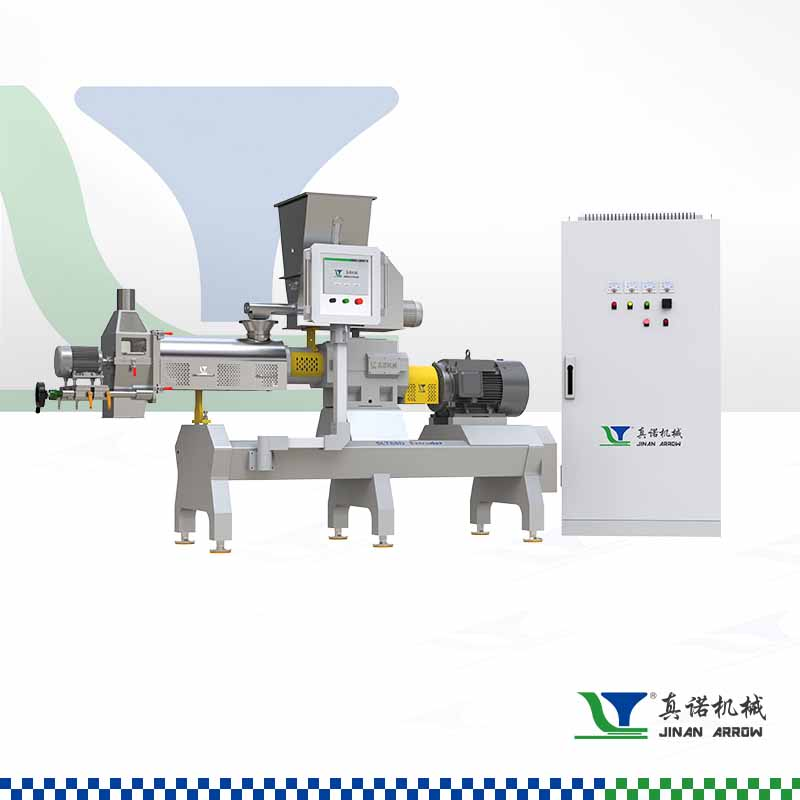
Stepping into a modern snack manufacturing facility immediately highlights the heavy reliance on precise processing hardware to meet massive consumer demands. Choosing the correct machinery begins with a thorough evaluation of daily output requirements, factory floor space, and targeted market segments. Integrating a high-performance food extruder into an industrial processing line requires a careful look at whether the facility focuses on high-volume basic corn snacks or complex, multi-grain formulations. Drawing from production floor deployment experience, plant engineers and operations directors emphasize that matching machine capacity to actual facility workflow prevents costly bottlenecks. Furthermore, this strategic approach ensures that every single system installation aligns perfectly with long-term industrial growth and commercial targets.
Comparing Single-Screw and Twin-Screw Technologies
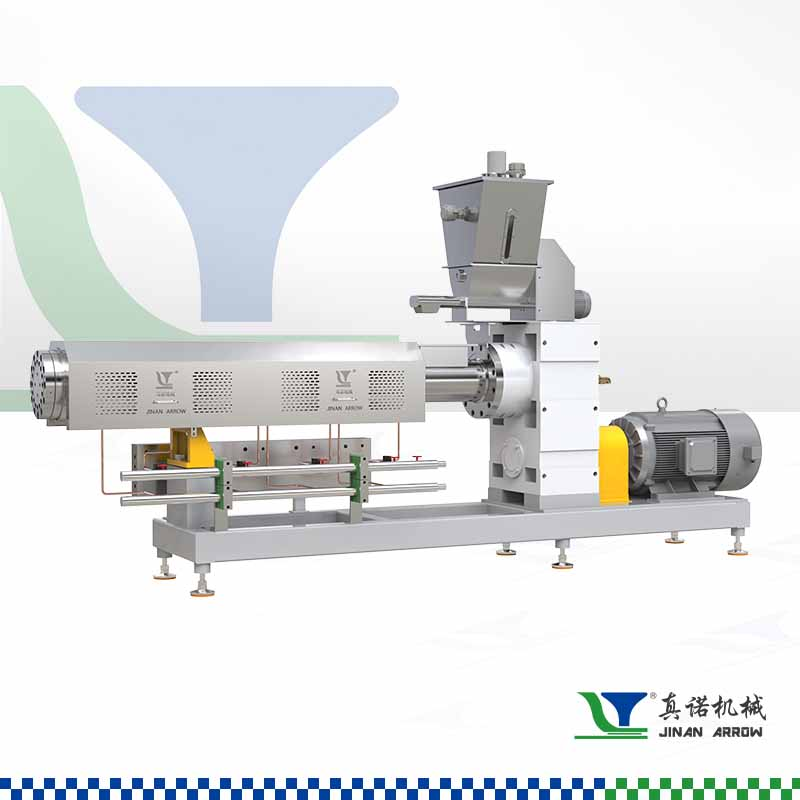
Achieving optimal product texture and uniform cooking performance requires a clear understanding of the mechanical differences between single-screw and twin-screw systems. A standard single-screw food extruder offers a cost-effective, reliable solution for processing simple puffed items, corn curls, and basic cereal bases through steady pressure and straightforward rotation. Conversely, advanced twin-screw configurations provide superior mixing precision, enhanced material shear, and exceptional temperature control for complex recipes like textured proteins and filled snacks. Industry experts from food engineering associations frequently note that selecting the appropriate screw mechanism dictates moisture retention, starch gelatinization, and final product crispness. Each carefully evaluated machine architecture delivers the exact processing parameters needed for consistent commercial success.
Analyzing Thermal Control and Barrel Precision
Operating high-frequency production lines demands strict management of thermal energy, friction, and barrel pressure to protect ingredient integrity and flavor profiles. Modern processing units utilize advanced programmable logic control (PLC) interfaces that allow operators to monitor and adjust heating zones along the barrel with pinpoint accuracy. Plant technicians managing sensitive recipes rely on these automated feedback loops to prevent overheating, burning, or structural degradation of delicate ingredients during continuous operation. Every well-regulated thermal configuration creates a stable cooking environment that guarantees uniform expansion and texture across every batch. This precise environmental management makes advanced thermal control an indispensable asset for industrial facility operators worldwide.
Ensuring Structural Durability and Operational Safety
Running continuous manufacturing shifts in competitive global markets requires rugged material construction, heavy-duty gearboxes, and meticulous fabrication standards to withstand heavy mechanical stress. Industrial processing plants demand robust stainless steel components and wear-resistant alloy screws that resist abrasion from dense, abrasive raw ingredients over years of heavy use. Despite facing rigorous daily operation, expert manufacturing engineering guarantees absolute structural reliability and minimal downtime. Plant managers gain immense confidence knowing that their heavy machinery infrastructure remains completely dependable across all production cycles, eliminating unexpected maintenance pauses. Furthermore, each robust processing assembly complies strictly with international machinery safety and hygiene regulations.
Maximizing Investment Value and Long-Term Operational Efficiency
Selecting an enterprise-grade processing partner plays a decisive role in determining the long-term cost-effectiveness and market competitiveness of any commercial food manufacturer. Integrating an advanced production strategy into daily operations instantly transforms raw agricultural inputs into high-margin consumer goods with exceptional market appeal. While initial machinery investments require careful financial planning, the combination of reduced energy consumption, lower waste rates, and high throughput delivers outstanding economic returns over time. Enterprise decision-makers recognize that modern consumers actively demand consistent product quality, making advanced machinery a vital operational investment. By choosing an established industry partner, operators secure a lean and efficient manufacturing model. Ultimately, each strategically selected processing unit maximizes commercial asset value for forward-thinking enterprises.
Engineering Excellence and Industrial Solutions at CWPACKAGE
Navigating international food processing equipment procurement demands strict adherence to certified manufacturing precision and global logistics reliability. CWPACKAGE has established a trusted international reputation in the custom machinery and industrial food extruder sector by delivering precision-engineered processing systems worldwide. Whether a manufacturing plant requires flexible single-screw setups, advanced twin-screw configurations, or complete turnkey production lines, partnering with an experienced provider guarantees reliable global delivery, certified equipment durability, and comprehensive technical support that ensures long-term facility success across diverse global markets, supporting sustainable growth for brand investors and helping international operators build premier commercial capabilities that stand out everywhere through superior engineering excellence and transparent supply chain services.
Table of Contents
- Assessing Production Goals and Output Scale
- Comparing Single-Screw and Twin-Screw Technologies
- Analyzing Thermal Control and Barrel Precision
- Ensuring Structural Durability and Operational Safety
- Maximizing Investment Value and Long-Term Operational Efficiency
- Engineering Excellence and Industrial Solutions at CWPACKAGE