 EN
EN

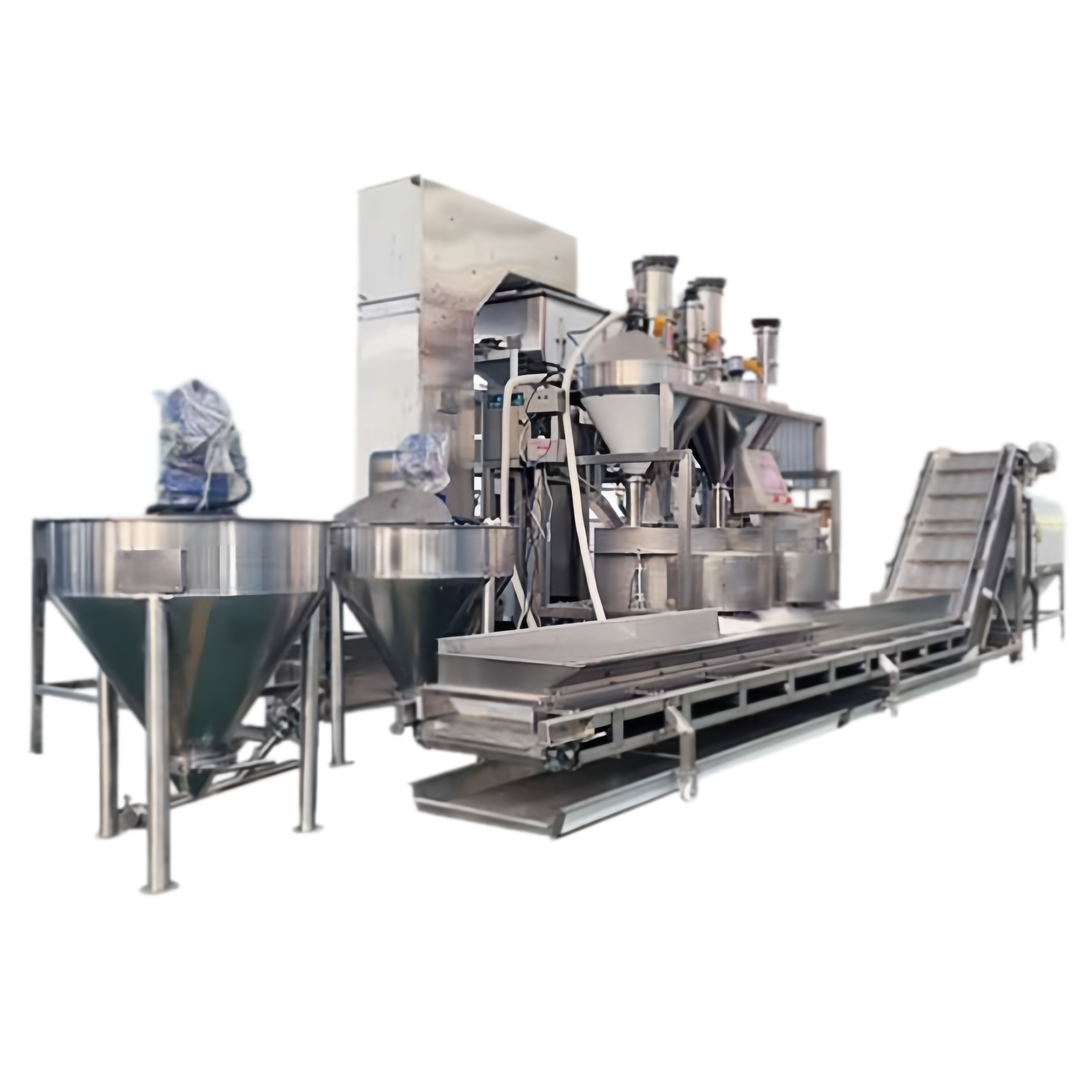
विविध कच्चे माल के संसाधन की चुनौती
खाद्य निर्माण की उन्नत दुनिया में, एकल बुनियादी ढांचे के साथ कृषि वस्तुओं की विस्तृत विविधता को संसाधित करने की क्षमता एक महत्वपूर्ण तकनीकी क्षमता है। ओट्स, भूरा चावल, ज्वार और बाजरा जैसे सामग्री में प्रत्येक की अद्वितीय रेशेदार संरचना और तेल की संरचना होती है, जो इनकी यांत्रिक प्रभाव के प्रति प्रतिक्रिया को प्रभावित करती है। विविध उत्पादन फर्शों के अवलोकन से पता चलता है कि पारंपरिक चक्की प्रणालियाँ अक्सर इन विभिन्न अनाज प्रकारों के बीच स्विच करते समय कणों की एकरूपता बनाए रखने में कठिनाई का सामना करती हैं। मुख्य चुनौती अपरूपण बलों के कैलिब्रेशन में निहित है; चावल जैसे कठोर, कम आर्द्रता वाले अनाज के लिए अनुकूलित व्यवस्था ओट्स जैसे रेशेदार अनाज पर लागू करने पर आवश्यक चूर्ण की महीनता प्राप्त करने में विफल रह सकती है। इस विविधता को सफलतापूर्वक संचालित करने के लिए उपकरणों को अनुकूलनशील संसाधन तर्क के साथ डिज़ाइन किया जाना चाहिए, जिससे किसी भी विशिष्ट अनाज मिश्रण का उपयोग करने पर भी सुसंगत परिणाम प्राप्त हो सकें।
तापगतिकी और प्रभाव यांत्रिकी पर दखल
उच्च-गुणवत्ता वाले पोषण पाउडर के उत्पादन की प्रक्रिया ताप प्रबंधन का एक सूक्ष्म कार्य है। पीसने की प्रक्रिया के दौरान, महत्वपूर्ण यांत्रिक ऊर्जा ऊष्मा में परिवर्तित हो जाती है। यदि इस तापमान में वृद्धि को सख्ती से नियंत्रित नहीं किया जाता है, तो यह कुछ महत्वपूर्ण ऊष्मा-संवेदनशील यौगिकों — जैसे कुछ विटामिन, एंटीऑक्सीडेंट और सूक्ष्म वसा अम्लों — के क्षय का कारण बन सकती है। एक उच्च-परिशुद्धता वाली पोषण पाउडर मशीन इसे उन्नत ताप-तटस्थ इंजीनियरिंग के माध्यम से नियंत्रित करती है। त्वरित ऊष्मा-विसरण जैकेट्स के एकीकरण और कम गति वाले, उच्च टॉर्क के मिलिंग घटकों के उपयोग के माध्यम से, यह मशीनरी घर्षण के कारण उत्पन्न तापमान में अचानक वृद्धि को कम करती है। यह तकनीकी परिशुद्धता सुनिश्चित करती है कि कच्चे सामग्री की जैविक अखंडता बनी रहे, जिससे अनाज को एक महीन पाउडर में परिवर्तित किया जा सके बिना उनके अंतर्निहित पोषण मूल्य को कम किए बिना।
मॉड्यूलर निर्माण का आर्थिक तर्क
उत्पादन के दृष्टिकोण से, एकल, एकीकृत बुनियादी ढांचे पर कई प्रकार के अनाज को संसाधित करने की क्षमता महत्वपूर्ण संचालन स्थिरता प्रदान करती है। प्रत्येक विशिष्ट अनाज के लिए अलग-अलग उत्पादन लाइनों में निवेश करने के बजाय, एक मॉड्यूलर प्रणाली उच्च संपत्ति उपयोग दरों की अनुमति देती है। यह दृष्टिकोण सुविधा के क्षेत्रफल को अनुकूलित करता है और विविध उत्पाद पोर्टफोलियो को बनाए रखने के लिए आवश्यक पूंजी व्यय को कम करता है। जब तकनीकी प्रणालियों को अनाज की कठोरता और रेशेदार घनत्व के विस्तृत स्पेक्ट्रम को संभालने के लिए डिज़ाइन किया जाता है, तो उत्पादन वातावरण अधिक कुशल और अधिक लचीला बन जाता है। एक ही मंच पर विभिन्न सामग्री इनपुट के बीच स्विच करने की क्षमता सुनिश्चित करती है कि उत्पादन प्रक्रिया भोजन के सामग्री की उपलब्धता में परिवर्तन या बदलती बाज़ार आवश्यकताओं के बावजूद भी भरोसेमंद बनी रहे।
स्वच्छता-उन्मुख डिज़ाइन और संदूषण के संक्रमण को कम करना
कार्यात्मक अखंडता मशीनरी की आंतरिक सफाई से मौलिक रूप से जुड़ी है। कई प्रकार के अनाजों के वातावरण में, एक सामग्री के शेष धूल को अगली सामग्री में दूषित करने से रोकना उत्पाद की शुद्धता और सुरक्षा बनाए रखने के लिए आवश्यक है। आधुनिक प्रसंस्करण उपकरणों का डिज़ाइन इसे "मृत-क्षेत्र-मुक्त" ज्यामिति के माध्यम से संबोधित करता है। इसमें पूर्ण रूप से चिकनी आंतरिक सतहें शामिल हैं, जो सामग्री के जमाव को रोकने के लिए पॉलिश किए गए स्टेनलेस स्टील संपर्क बिंदुओं के साथ जुड़ी होती हैं। इसके अतिरिक्त, एकीकृत वायु-परिशोधन क्रमों को शामिल करने से मिलिंग कक्ष को प्रसंस्करण चक्रों के बीच व्यापक रूप से साफ़ किया जा सकता है। डिज़ाइन की यह उन्नत स्तर एक पारदर्शी और स्वच्छ उत्पादन चक्र की अनुमति देती है, जो उच्च-गुणवत्ता वाले खाद्य-श्रेणी के उत्पादन के लिए आवश्यक कठोर स्वच्छता आवश्यकताओं को पूरा करती है।
विशिष्ट बुनियादी ढांचा साझेदारों के साथ माप का विस्तार
एक स्थायी विनिर्माण संचालन का निर्माण करने के लिए ऐसी बुनियादी ढांचा आवश्यकता होती है जो स्थिरता और सटीकता के लिए अभियांत्रिकी रूप से डिज़ाइन की गई हो। विश्वसनीय हार्डवेयर व्यावसायिक भविष्यवाणियों और निरंतर उत्पादन का मूलाधार है। एक्सट्रूसनैक इस मॉडल का समर्थन करता है जो पोषण-संबंधी चूर्ण प्रसंस्करण की उन्नत तकनीक प्रदान करता है, जिसमें यांत्रिक दृढ़ता, अनुकूलनशील मिलिंग क्षमताएँ और कड़ी स्वच्छता-आधारित डिज़ाइन पर ज़ोर दिया जाता है। प्रसंस्करण चक्र पर सूक्ष्म नियंत्रण प्रदान करने वाली प्रणालियाँ प्रदान करके, संगठन व्यवसायों को विविध अनाज इनपुट के प्रबंधन के लिए तकनीकी आत्मविश्वास प्रदान करता है। उस अभियांत्रिकी विशेषज्ञ के साथ साझेदारी करना जो द्रव्य की शुद्धता और प्रणाली की दीर्घायु को प्राथमिकता देता है, उत्पादन क्षेत्र को एक स्थिर, दोहराने योग्य संपत्ति में बदल देता है। एक ऐसे क्षेत्र में, जहाँ गुणवत्ता सफलता का अंतिम निर्णायक है, एक्सट्रूसनैक उन कंपनियों के लिए मूलाधार का काम करता है जो अपने विनिर्माण दृष्टिकोण को एक निरंतर, उच्च-गुणवत्ता वाली वास्तविकता में बदलने के लिए प्रयासरत हैं।