 EN

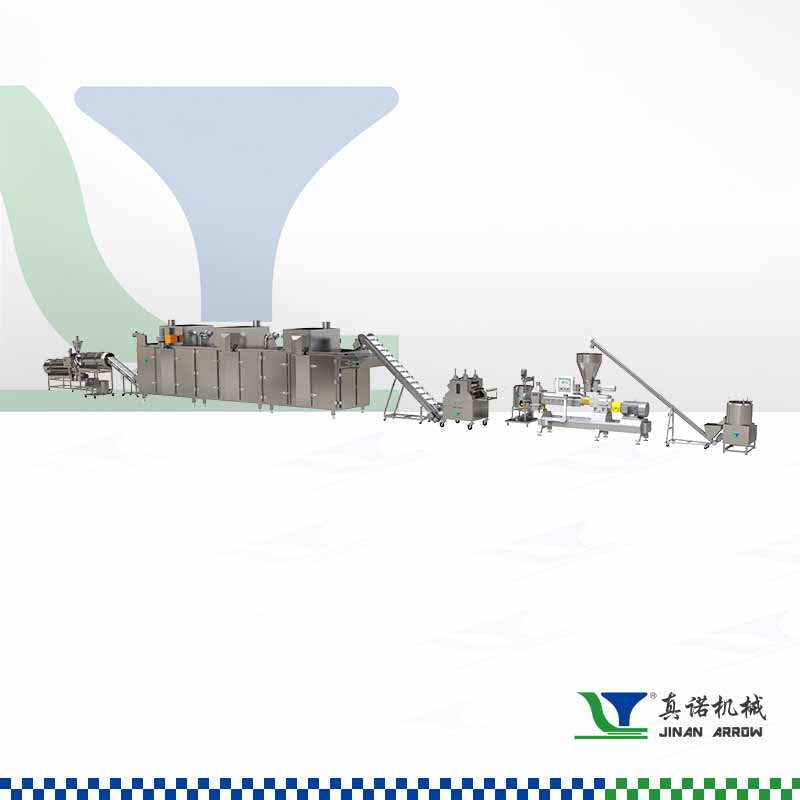
Master Thermal Cycling to Reduce Barrel and Screw Fatigue
Gradual heating and cooling protocols during start-up and shut-down
Thermal cycling stress is a primary cause of premature fatigue in extrusion equipment, often leading to micro-cracking in the barrel liner. A controlled start-up protocol is the most effective defense: slowly elevating barrel temperature to the process setpoint allows uniform expansion and minimizes internal stress gradients. A proven stepped ramp begins by preheating all zones to 120 °C and holding for 15 minutes to drive off residual moisture—especially critical after extended downtime or humidity exposure—then ramps to full operating temperature at no more than 3 °C per minute. Similarly, controlled shut-down prevents “heat shock.” Rather than cutting power abruptly, operators should gradually reduce zone setpoints in reverse sequence, allowing the screw and barrel to contract uniformly. This disciplined approach transforms routine start-up and shut-down from basic operational steps into core preventative maintenance activities. Maintenance log analyses from large-scale snack producers show this practice reduces unplanned downtime tied to screw and barrel replacement by 25–30%, directly extending the service life of these high-cost components.
Why exceeding 3°C/min accelerates liner fatigue: data-backed thermal thresholds
The 3 °C/min limit is not arbitrary—it reflects metallurgical thresholds for nitrided and bimetallic barrel liners. Exceeding it intensifies Thermal Mechanical Fatigue (TMF), where rapid, uneven expansion generates high-tensile stress on the brittle inner liner surface. Materials testing confirms that faster ramp rates accelerate heat-checking: a network of fine surface cracks that propagate with each cycle. In a standard 40:1 L/D barrel, a 5 °C/min ramp can produce a transient temperature differential exceeding 20 °C between the inner bore and outer thermocouple reading—forcing the hotter inner surface to expand against the cooler, constraining mass. This generates localized stress that frequently surpasses the liner’s yield strength. Over repeated cycles, such stress leads to spalling, corrosion, and premature liner failure. A 2023 study by the Alloy Performance Institute found that maintaining ramp rates at or below 2.5 °C/min reduced crack density by 40% after 1,000 simulated thermal cycles compared to 4 °C/min—demonstrating that disciplined thermal management delivers measurable, quantifiable gains in equipment longevity.
Adopt Proactive Wear Parts Management for Corn Puff Machines
Discharge-end-first replacement strategy for twin-screw extruders
In twin-screw corn puff machines, wear is highly non-uniform: peak pressure and shear forces concentrate near the die, causing the discharge-end screw elements and barrel liner to degrade two to three times faster than feed-end components. A discharge-end-first replacement strategy capitalizes on this gradient by replacing only the last 20–30% of screw segments during routine overhauls—leaving less-worn inlet sections in service. Barrel machining is then confined to the same discharge zone, avoiding unnecessary reboring of the entire liner. This phased approach cuts parts inventory costs by up to 40% and shortens downtime, as full screw rebuilds are deferred across two or three maintenance cycles. Condition-based triggers—such as a sustained 15% drop in melt pressure consistency or measurable reduction in puff expansion—signal precise timing for segment exchange, ensuring consistent product quality without unplanned breakdowns.
Wear mapping using laser profilometry to track screw flight erosion (avg. 0.12mm/hour under high-abrasion corn feed)
Visual inspection alone rarely detects early-stage screw wear—output and texture degradation often appear only after significant erosion has occurred. Laser profilometry overcomes this limitation with micron-accurate 3D mapping of flight geometry, captured after each production run. Under high-abrasion conditions—common with whole-grain or stone-ground corn formulations—measurements consistently show an average erosion rate of 0.12 mm per hour on the crest of conveying and kneading elements. The resulting wear profile highlights hotspots aligned with mixing zones and reverse-pumping sections, enabling targeted intervention. With a historical baseline, maintenance teams can project when root diameter will fall below the minimum clearance threshold (typically 0.5 mm below new-spec). This predictive insight supports just-in-time ordering and eliminates emergency shutdowns. Integrating weekly profilometry scans into a digital maintenance log shifts corn puff machine upkeep from reactive replacement to a data-driven, lifecycle-optimized program—extending extruder service intervals with precision.
Maintain Optimal Cleaning and Moisture Control Daily
Post-shift vacuum + dry-air purge to prevent puffing chamber agglomeration
Residual corn powder and starch left in the puffing chamber after a shift rapidly absorb ambient moisture, forming rock-hard agglomerates that clog die openings, disrupt extrudate flow, accelerate knife wear, and risk motor overload. A rigorous daily post-shift cleaning routine prevents this: first, use an industrial HEPA-filtered vacuum to remove all loose material from the chamber, screw elements, and die assembly—with special attention to corners and crevices where fines accumulate. Immediately following vacuuming, introduce dehumidified process air (dew point below –40 °C) into the chamber for at least 10 minutes. This dry-air purge displaces humid air and eliminates condensation on cold metal surfaces, preventing overnight caking. Facilities adhering to this vacuum-and-purge protocol report a 22% reduction in agglomeration-related downtime and an 8% extension in screw life, according to 2024 data from Extrusion Tech Monitor.
FAQs
Why is gradual heating and cooling essential for extrusion equipment?
Gradual heating and cooling prevent uneven thermal expansion, reducing the risks of stress gradients and micro-cracking in the barrel liner, which can prematurely fatigue the equipment.
What is the significance of the 3 °C/min thermal threshold?
This limit reflects metallurgical thresholds that minimize Thermal Mechanical Fatigue (TMF). Exceeding it can accelerate wear and crack formation in the barrel’s inner liner.
How does a discharge-end-first replacement strategy benefit twin-screw extruders?
This strategy focuses on replacing the most worn components at the discharge end, reducing downtime and parts inventory costs, while optimizing the use of less-worn inlet sections.
What role does laser profilometry play in detecting screw wear?
Laser profilometry provides precision tracking of screw wear patterns, enabling predictive maintenance and extending equipment lifecycle without relying only on visual inspections.
How does daily cleaning impact equipment performance?
Daily cleaning prevents the build-up of agglomerates that can clog die openings and cause equipment damage, preserving operational efficiency and prolonging component life.
Table of Contents
- Master Thermal Cycling to Reduce Barrel and Screw Fatigue
- Adopt Proactive Wear Parts Management for Corn Puff Machines
- Maintain Optimal Cleaning and Moisture Control Daily
-
FAQs
- Why is gradual heating and cooling essential for extrusion equipment?
- What is the significance of the 3 °C/min thermal threshold?
- How does a discharge-end-first replacement strategy benefit twin-screw extruders?
- What role does laser profilometry play in detecting screw wear?
- How does daily cleaning impact equipment performance?