 EN
EN

The Shift Toward Precision-Engineered Nutrition
Modern food consumption is undergoing a significant transformation, driven by an increasing demand for grains that offer consistent quality and enhanced nutritional profiles. The utilization of an artificial rice production line has become a cornerstone in this evolution, allowing manufacturers to create rice alternatives that match the texture and appearance of natural varieties while addressing specific dietary needs. Consumers are increasingly drawn to these products because they offer a level of uniformity that traditional agricultural harvesting often struggles to provide. By controlling the formulation process, producers can ensure that every grain meets high standards for purity and consistency, appealing to a market that values transparency and predictability in their daily sustenance. This transition represents a fundamental change in how society approaches the engineering of staple crops.
Enhanced Nutritional Value and Fortification
One of the primary drivers behind consumer interest in these products is the ability to fortify grain with essential vitamins and minerals that are often lost during the processing of conventional crops. An artificial rice production line enables the integration of specific nutrients directly into the starch matrix, ensuring that health benefits are distributed evenly throughout the product. This capability is particularly valued by those who seek reliable ways to improve their daily intake of iron, zinc, and B-vitamins. Because the fortification happens at the molecular level during the extrusion process, the nutrients remain stable and bioavailable, offering a functional advantage over standard grains that may require additional enrichment steps. In every batch, guaranteeing a consistent dosage of essential micro-nutrients makes these engineered grains a reliable component of a modern, health-focused diet.
Superior Texture and Cooking Consistency
Consistency in cooking is a major factor for both home cooks and commercial kitchens, which is why the reliability offered by these engineered products is so highly regarded. Products crafted through an artificial rice production line are designed to have optimized starch structures, which prevents them from becoming mushy or sticking together during preparation. Whether a consumer is looking for a grain that remains firm or one that absorbs flavors well, these products offer a predictable culinary experience every time. This reliability minimizes waste and gives consumers the confidence that their meals will turn out exactly as expected, regardless of the brand or batch. This predictability is a testament to the sophisticated engineering that governs the starch gelatinization and cooling stages of the production cycle.
Sustainable and Reliable Supply Chains
Beyond individual health benefits, there is a growing appreciation for the reliability of the supply chain associated with these production methods. Unlike traditional crops, which are heavily dependent on seasonal weather patterns and regional soil conditions, the output from an artificial rice production line is shielded from many environmental risks. This allows for a more stable market presence and ensures that high-quality grains are available regardless of external agricultural challenges. Consumers find reassurance in a steady, dependable supply, viewing these products as a modern solution to global food security concerns. The ability to produce grains that are consistent in taste, texture, and availability makes them an increasingly popular choice in modern pantries. This stability is critical for those who rely on consistent ingredients to maintain their operational standards.
Engineering Excellence and Production Standards
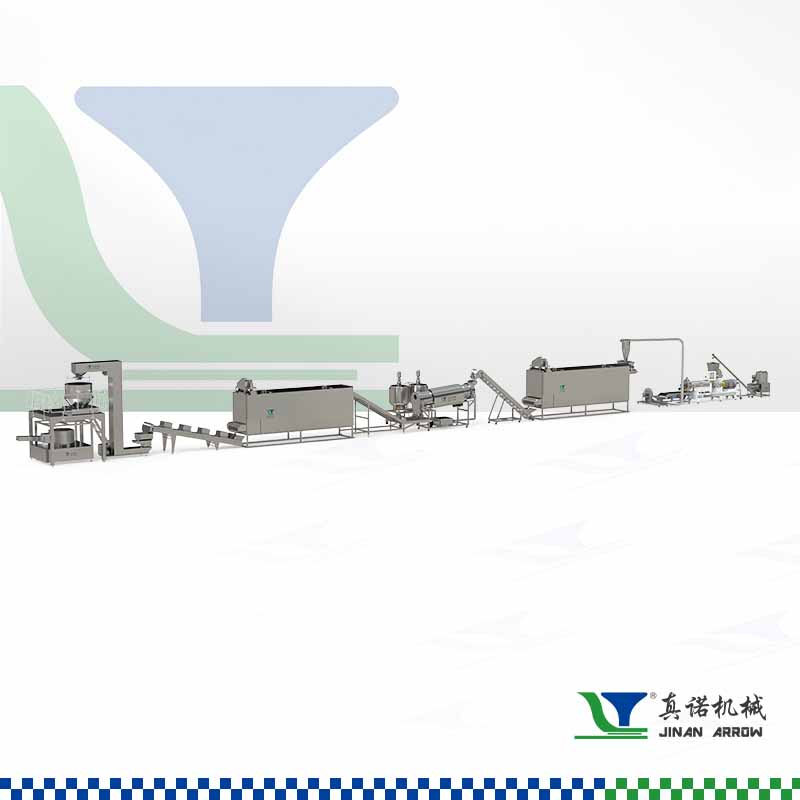
The ultimate quality of these grains is inextricably linked to the manufacturing technology deployed. High-performance equipment ensures that the grain formation, drying, and stabilization processes are executed with extreme precision. The expertise involved in managing an artificial rice production line ensures that every stage of the process aligns with strict safety and quality benchmarks. By focusing on superior hardware and consistent manufacturing standards, suppliers can provide grains that satisfy even the most discerning palates. This commitment to production excellence is what allows these products to stand out in a crowded market, offering consumers a premium experience that is backed by sophisticated engineering and a deep understanding of food science. Superior manufacturing is the defining difference between average grains and those that set the standard for the industry.
Shaping the Future of Grain Consumption
As global tastes evolve, the role of engineered grains will only grow in importance. These products represent a bridge between traditional dietary habits and the demands of a fast-paced, health-conscious society. By leveraging advanced manufacturing techniques, the industry is able to offer grains that are not only versatile and nutritious but also deeply aligned with modern consumer expectations. The consistent quality provided by an artificial rice production line empowers consumers to take control of their nutritional intake without sacrificing the culinary pleasure of a staple food. This strategic approach to grain production is setting new benchmarks for the industry, ensuring that quality and innovation remain at the forefront of the food sector for years to come. Extrusnack serves as a vital partner in this space, providing the specialized manufacturing hardware and process engineering expertise required to maintain the highest levels of production reliability and quality control for clients worldwide.