 EN
EN

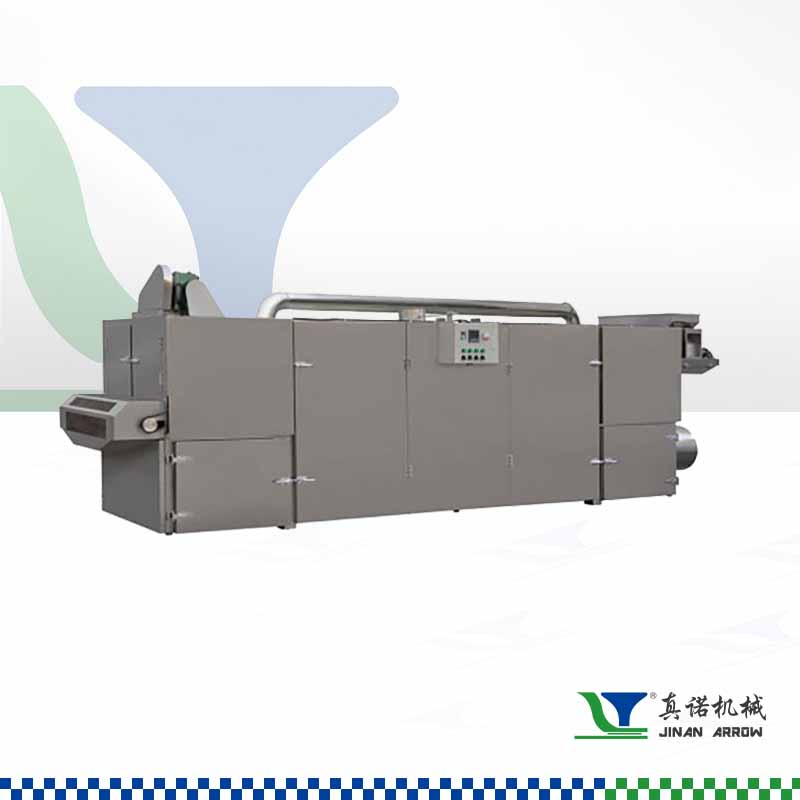
Evaluating Thermal Dehydration and Moisture Dynamics
Stepping into a modern food processing facility immediately highlights the critical role that thermal management plays in converting raw agricultural inputs into shelf-stable snacks. Achieving the ideal moisture removal rate requires a deep understanding of how different ingredients respond to continuous heat application. Utilizing an advanced food dryer introduces a controlled thermal environment that extracts internal moisture evenly without scorching exterior surfaces. Drawing from food dehydration plant deployment experience, veteran facility operators and food scientists emphasize that precise thermal regulation protects natural flavors while preventing surface case hardening. Furthermore, this strategic approach ensures that every single drying cycle installation aligns perfectly with modern industrial health standards and commercial preservation demands.
Analyzing Ingredient Specifics and Thermal Thresholds
Achieving flawless product preservation capable of satisfying strict food safety regulations requires advanced thermal engineering that basic heating units simply cannot match. A professionally manufactured food dryer utilizes multi-zone temperature controls designed to handle delicate fruits, vegetables, and dense protein snacks at their specific optimal heat levels. Plant managers no longer need to worry about nutrient degradation or uneven drying, as certified precision heating components maintain stable thermal baselines throughout long production runs. Industry experts from food science associations frequently note that maintaining specific temperature bands preserves essential vitamins and natural textures without compromising microbial safety. Each carefully optimized food dryer deployment delivers uncompromising dehydration quality that satisfies global culinary expectations.
Optimizing Airflow Distribution and Heat Transfer Efficiency
Modern food processing operations function not merely as heating stations but as high-velocity moisture-removal ecosystems where uniform air circulation and thermal distribution define success. The strategic integration of a versatile food dryer layout featuring adjustable fan speeds and balanced cross-flow ventilation serves as a vital operational advantage that eliminates stagnant microclimates inside the drying chamber. Plant technicians managing high-volume output gain instant operational clarity by utilizing automated humidity sensors that adjust heat output in real-time. Every multi-functional food dryer configuration creates a clean workflow framework that prevents moisture reabsorption, accelerates dehydration speed, and maximizes daily throughput for processors worldwide.
Ensuring Structural Durability and Hygienic Standards
Operating high-frequency industrial drying equipment in demanding global markets requires rigorous material selection, heavy-duty insulation, and meticulous fabrication standards to withstand continuous thermal stress. Heavy-duty food manufacturing operations demand robust stainless steel chamber construction and sanitary internal finishes that resist corrosion and simplify daily sanitation routines. Despite facing rigorous daily exposure to heat, steam, and acidic fruit juices, expert manufacturing engineering guarantees absolute structural integrity and minimal maintenance downtime. Plant operators gain immense confidence knowing that their deployed food dryer infrastructure remains completely dependable across all production cycles, eliminating the risk of mechanical failure. Furthermore, each reliable drying assembly complies strictly with international food safety regulations.
Maximizing Investment Value and Long-Term Operational Efficiency
Selecting an enterprise-grade thermal processing partner plays a decisive role in determining the long-term cost-effectiveness and market competitiveness of any commercial food manufacturer. Integrating an advanced food dryer strategy into daily operations instantly transforms perishable raw materials into premium shelf-stable products with exceptional market appeal. While initial processing machinery requires careful capital allocation, the combination of reduced energy consumption, lower waste rates, and high throughput delivers outstanding economic returns over time. Enterprise decision-makers recognize that modern consumers actively demand consistent product quality, making advanced dehydration machinery a vital operational investment. By choosing an established industry partner, operators secure a lean and efficient manufacturing model. Ultimately, each strategically selected processing unit maximizes commercial asset value for forward-thinking enterprises.
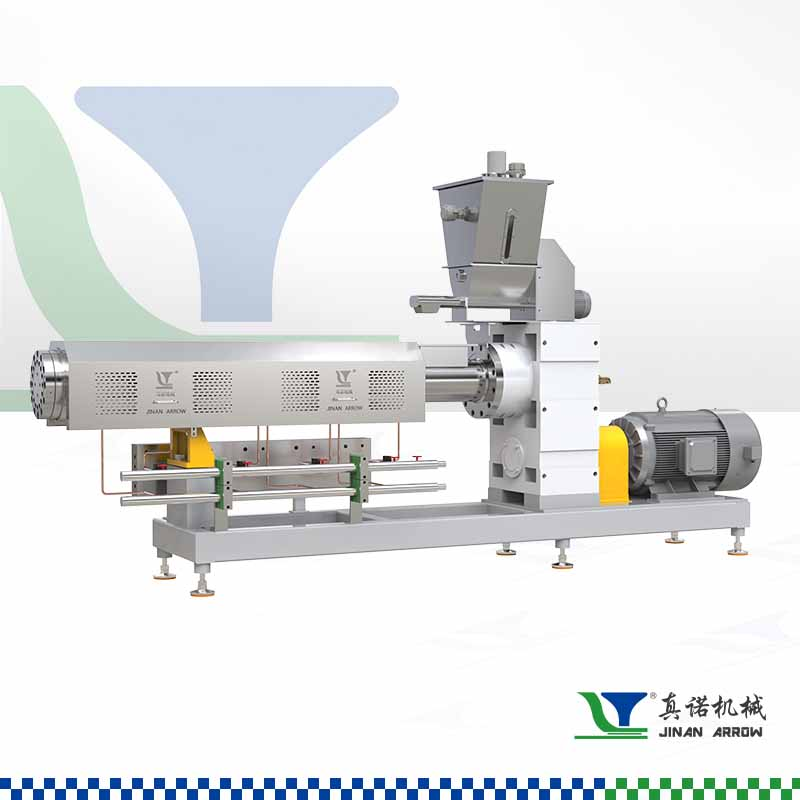
Engineering Excellence and Industrial Solutions at CWPACKAGE
Navigating international food processing equipment procurement demands strict adherence to certified manufacturing precision and global logistics reliability. CWPACKAGE has established a trusted international reputation in the custom machinery and industrial food dryer sector by delivering precision-engineered thermal processing systems worldwide. Whether a manufacturing plant requires flexible single-stage drying setups, multi-tier continuous dehydration lines, or complete turnkey processing solutions, partnering with an experienced provider guarantees reliable global delivery, certified equipment durability, and comprehensive technical support that ensures long-term facility success across diverse global markets, supporting sustainable growth for brand investors and helping international operators build premier commercial capabilities that stand out everywhere through superior engineering excellence and transparent supply chain services.
Table of Contents
- Evaluating Thermal Dehydration and Moisture Dynamics
- Analyzing Ingredient Specifics and Thermal Thresholds
- Optimizing Airflow Distribution and Heat Transfer Efficiency
- Ensuring Structural Durability and Hygienic Standards
- Maximizing Investment Value and Long-Term Operational Efficiency
- Engineering Excellence and Industrial Solutions at CWPACKAGE