 EN
EN

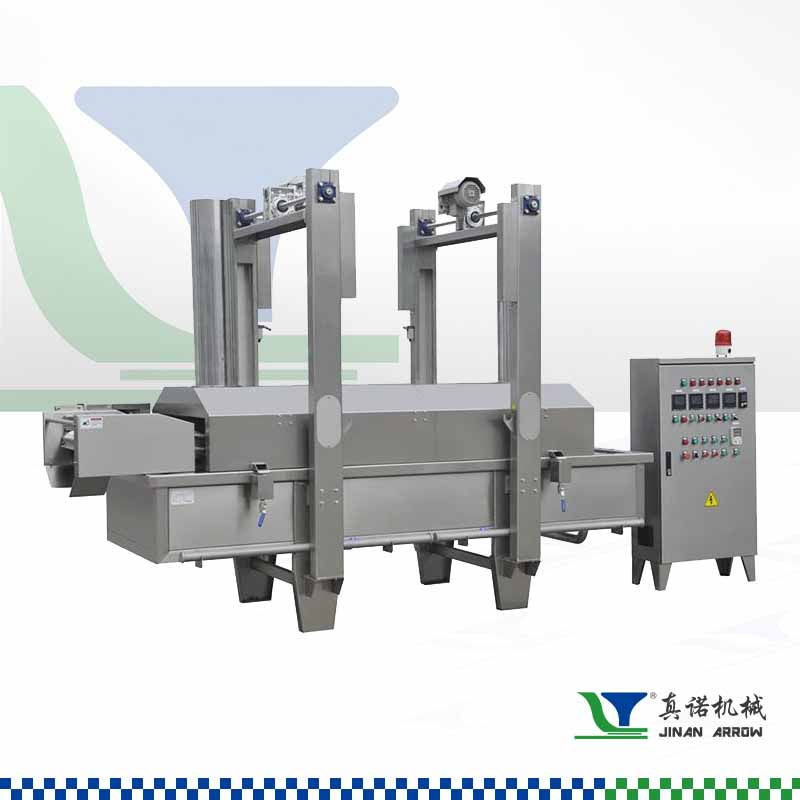
Optimizing Thermal Oil Circulation and Temperature Stability
Achieving uniform cooking performance across continuous production batches begins with rigorous control over thermal fluid dynamics within the frying vessel. When operating an advanced industrial fryer, maintaining a steady oil temperature prevents localized burning and ensures that every snack piece absorbs the correct amount of heat. Food processing consultants and thermal engineering specialists consistently emphasize that stable heat transfer relies on high-velocity oil circulation loops and precise heat exchanger integration. Drawing from years of field oversight in commercial snack plants across diverse geographic regions, operations specialists note that eliminating thermal stratification early in the process guarantees consistent texture development during heavy manufacturing runs.
Regulating Conveyor Speed and Immersion Time
The structural crispness and moisture content of fried snack products are heavily determined by how long each item remains submerged in the hot cooking medium. Modern snack manufacturing lines require synchronized mechanical controls to manage belt velocities and submergence depths accurately within an industrial fryer. Food science authorities point out that even minor fluctuations in dwell time can lead to noticeable variations in color and oil absorption levels across a batch. By implementing variable frequency drives on the conveyor mesh system, plant operators can fine-tune retention times to match the specific density and moisture profile of incoming food intermediates, ensuring uniform physical characteristics across all shifts and global consumer markets.
Managing Oil Turnover Rate and Freshness
Maintaining optimal oil quality is essential for preserving flavor profiles, extending cooking media lifespan, and meeting international food safety benchmarks. Continuous high-temperature frying causes natural polar compounds and free fatty acids to accumulate, which can negatively impact the taste and appearance of finished snacks. Food processing experts recommend establishing a balanced oil turnover rate inside an industrial fryer by continuously replenishing fresh oil alongside the active frying volume. Integrating automated filtration systems removes suspended crumbs and debris before they can carbonize, keeping the frying medium clean and stable for prolonged commercial operations.
Controlling Vapor Extraction and Moisture Removal
The release of internal moisture from wet food items introduces steam bubbles into the hot oil bath, which must be efficiently managed to maintain a stable frying environment. Inadequate canopy ventilation above an industrial fryer can allow condensation to drip back into the vessel, causing dangerous oil splattering and uneven product texture. Industrial manufacturing experts highlight that positioning optimized exhaust hoods and vapor extraction fans correctly draws off steam instantly. Effective atmospheric control protects plant air quality, prevents moisture re-absorption into finished snacks, and supports consistent product expansion across varied cultural preferences.
Implementing Digital Automation and Monitoring Systems
Modernizing commercial frying lines increasingly requires advanced digital oversight to monitor motor loads, thermal distribution, and oil level sensors continuously. Upgrading an industrial fryer with programmable logic controllers and intuitive touchscreen interfaces allows operators to save specific recipe parameters and replicate them effortlessly across future production runs. Quality assurance specialists note that digital automation minimizes human error, stabilizes product specifications, and ensures consistent physical characteristics across large-scale manufacturing shifts, safeguarding brand reputation for global food distributors operating internationally.
Leveraging Industry Expertise and Manufacturing Partnerships
Sourcing reliable food processing hardware ultimately depends on collaborating with seasoned manufacturing leaders who understand the complexities of thermal engineering and snack extrusion lines. Partnering with an experienced production source ensures that every technical specification meets international safety and performance standards. By leveraging the advanced engineering capabilities, strict quality control protocols, and dependable supply chain expertise of industry pioneers like EXTRUSNACK, food manufacturers can acquire a dependable industrial fryer that drives long-term commercial success worldwide.
Table of Contents
- Optimizing Thermal Oil Circulation and Temperature Stability
- Regulating Conveyor Speed and Immersion Time
- Managing Oil Turnover Rate and Freshness
- Controlling Vapor Extraction and Moisture Removal
- Implementing Digital Automation and Monitoring Systems
- Leveraging Industry Expertise and Manufacturing Partnerships