 EN
EN

How Corn Chips Machines Work: Core Mechanisms and Production Stages
Extrusion, Cutting, Frying, and Seasoning Workflow
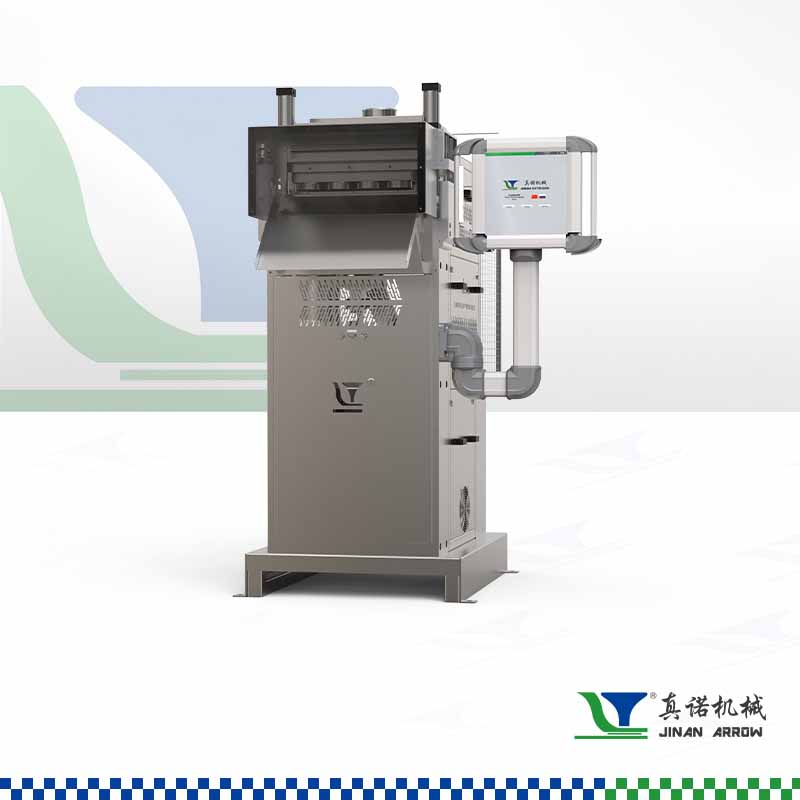
A corn chips machine transforms raw corn masa into a crisp snack through a precise, integrated sequence. Conditioned dough enters the extruder, where rotating screws apply controlled pressure and shear to cook starch, develop texture, and form a continuous ribbon. Immediately after exiting the die, rotating blades—synchronized with extrudate speed—cut the hot, pliable sheet into uniform triangles or strips. These pieces then pass through a continuous fryer, submerged in oil at 180–190°C for 2–3 minutes to reduce moisture below 2% and achieve optimal crunch. Excess oil drains as chips move into a rotating seasoning drum, where atomized oils and powdered flavorings coat each surface evenly. After cooling, the finished chips are ready for packaging—ensuring consistent shape, texture, and taste across every batch.
Key Components: Hopper, Extruder, Cutter, Fryer, and Conveyor System
The reliability and output quality of a corn chips machine depend on seamless coordination among its core components. The hopper stores and meters masa, often featuring a level sensor to ensure steady feed. The extruder, the system’s central unit, uses a temperature-zoned barrel and screw configuration to cook, knead, and shape the dough—its settings directly influence chip density and expansion. A precision cutter, typically rotary and motor-synchronized, delivers clean, tear-free cuts aligned with product specifications. The fryer employs a stainless-steel mesh belt to transport chips through temperature-stabilized oil; adjustable immersion depth and dwell time accommodate varying thicknesses and textures. Finally, the conveyor system—designed with gentle curves and low-vibration drives—links all stages from fryer exit to seasoning and cooling, minimizing breakage while sustaining continuous flow.
Types of Corn Chips Machines for Different Business Scales
Small-Batch Semi-Automatic Machines for Startups
Semi-automatic corn chips machines offer startups and small producers an accessible entry point into snack manufacturing. These units automate extrusion and cutting but require manual dough loading and separate frying and seasoning steps—reducing upfront investment while preserving recipe flexibility. With outputs ranging from 30–50 kg per hour, they suit local distribution, farmers’ markets, or pilot testing of new shapes and flavors. Their compact footprint, simplified controls, and straightforward maintenance make them ideal for limited-space facilities and teams with minimal technical staffing.
Fully Automatic Industrial Corn Chips Machines for High-Volume Production
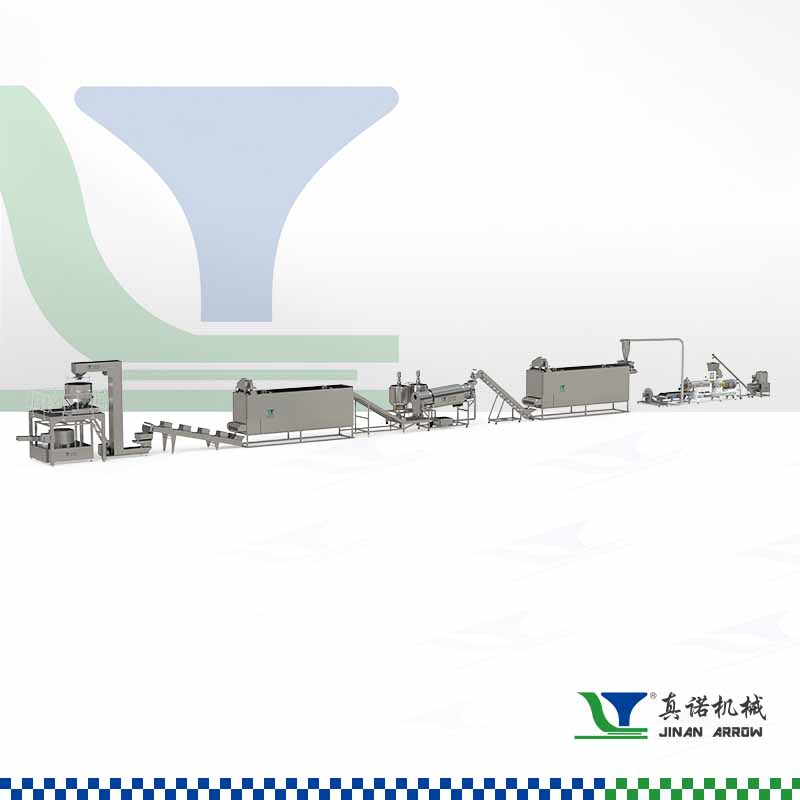
Fully automatic industrial systems integrate mixing, extrusion, cutting, frying, seasoning, cooling, and packaging into a single PLC-controlled line. Capable of sustained output exceeding 200 kg per hour, they meet the throughput demands of national brands and co-packers. Precision thermal management, real-time process monitoring, and food-grade stainless-steel construction support compliance with rigorous hygiene standards—including ISO 22000 and CE requirements. Though capital-intensive, their automation significantly reduces labor dependency, minimizes waste, and delivers strong ROI through operational consistency and scalability.
Critical Selection Criteria for a Reliable Corn Chips Machine
Material Quality, Energy Efficiency, and Food-Safe Certification
Durability and food safety begin with material selection: prioritize machines built with AISI 304 stainless steel for all product-contact surfaces. This grade resists corrosion from salt, acid, and hot oil—ensuring long-term integrity and simplifying sanitation. Energy efficiency is equally vital: models equipped with high-efficiency motors, insulated heating zones, and optimized heat recovery can cut electrical consumption by up to 20% compared to legacy designs (Energy Star, 2023), lowering ongoing utility costs. Crucially, verify certifications—not just labels. CE marking confirms mechanical safety compliance for European markets, while ISO 22000 certification validates the manufacturer’s adherence to internationally recognized food safety management practices. These credentials protect both product quality and brand reputation.
Output Capacity, Adjustability, and After-Sales Support
Select capacity based on verified, real-world output—not theoretical maximums—and align it with your 12- to 24-month production forecast. For evolving businesses, modularity matters: look for machines with quick-change die plates that allow switching between classic triangles, scoops, or sticks without retooling the entire line. Beyond hardware, service infrastructure determines uptime. Industry data shows unplanned downtime costs medium-sized snack facilities an average of $15,000 per hour (2023 Food Processing Equipment Survey). Confirm your supplier offers remote diagnostics, regional warehousing of critical wear parts, and certified field technicians available within 48 hours. A formal service agreement—including preventive maintenance scheduling and software updates—is essential insurance for production continuity.
Optimizing Performance: Daily Operation and Preventive Maintenance
Startup Protocols, Ingredient Consistency, and Temperature Control
Begin each shift with a documented startup checklist. Ensure masa moisture is tightly controlled (typically 52–56%)—even minor deviations cause extrusion inconsistencies, blistering, or uneven frying. Preheat the fryer to 180–190°C and allow oil to stabilize for at least 15 minutes before introducing dough. Inspect cutter blades for sharpness and alignment; dull or misaligned blades induce tearing and irregular geometry. During the first 50 chips, assess thickness, color uniformity, and edge definition—then fine-tune extruder RPM or fryer dwell time accordingly. Logging these parameters builds a performance baseline for early drift detection and extends the life of dies, heaters, and drive components.
Cleaning Schedule, Lubrication Points, and Wear-Part Replacement
Consistent cleaning and lubrication are non-negotiable for reliability. At shutdown, drain and filter frying oil, then wipe down the extruder barrel, cutter housing, and conveyor belts to prevent starch carbonization. Weekly, deep-clean the hopper interior and inspect all lubrication points—apply NSF H1-certified grease to extruder screw bearings, cutter drive chains, and conveyor gearmotors. Proactive wear-part replacement prevents cascading failures: change cutter blades every 200 operating hours, replace extruder die inserts every 500 hours, and calibrate or replace fryer thermocouples annually. Maintain a digital log tracking replacements, lubrication dates, and observed anomalies—this discipline reduces unplanned stoppages by up to 30% and maximizes equipment service life.
FAQ Section
What is the main function of a corn chips machine?
A corn chips machine transforms raw corn masa into crisp, seasoned snacks by combining extrusion, cutting, frying, and seasoning processes in an integrated workflow.
What are the key components of a corn chips machine?
A corn chips machine typically consists of a hopper, extruder, cutter, fryer, and conveyor system. These components work seamlessly to ensure continuous and consistent production.
What is the difference between semi-automatic and fully automatic machines?
Semi-automatic machines require manual intervention for tasks like dough loading, frying, and seasoning, whereas fully automatic machines integrate all production stages—including packaging—into one automated system.
What certifications should I look for when purchasing a corn chips machine?
Look for CE marking for mechanical safety and ISO 22000 certification for compliance with international food safety standards. These validate both product-quality guarantees and operational safety.
How can I optimize the performance of my corn chips machine?
Adhere to startup protocols, maintain ingredient consistency, control temperatures, and ensure regular cleaning and lubrication. Also, track wear-part usage to schedule replacements proactively.
Table of Contents
- How Corn Chips Machines Work: Core Mechanisms and Production Stages
- Types of Corn Chips Machines for Different Business Scales
- Critical Selection Criteria for a Reliable Corn Chips Machine
- Optimizing Performance: Daily Operation and Preventive Maintenance
-
FAQ Section
- What is the main function of a corn chips machine?
- What are the key components of a corn chips machine?
- What is the difference between semi-automatic and fully automatic machines?
- What certifications should I look for when purchasing a corn chips machine?
- How can I optimize the performance of my corn chips machine?