 EN
EN

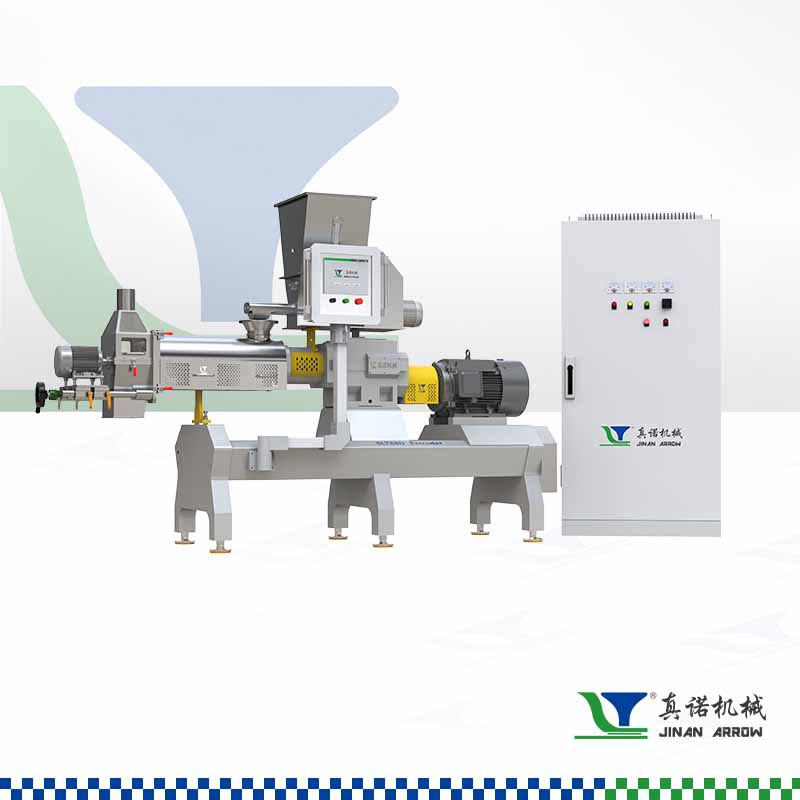
Establishing Routine Inspection Protocols for Internal Components
Keeping heavy-duty snack processing machinery running smoothly requires a proactive approach to monitoring wear and tear on internal parts. When operating an industrial food extruder, plant technicians must perform systematic checks on barrel bores, screw flights, and drive shafts on a regular schedule. Maintenance engineering specialists and plant operations consultants consistently emphasize that identifying minor surface abrasions early prevents unexpected mechanical interruptions during standard manufacturing runs. Drawing from years of field oversight in commercial food processing facilities across diverse geographic regions, equipment reliability experts note that structured visual audits and dimensional measurements of wear items significantly support the long-term operational lifespan of the core machinery.
Managing Lubrication Schedules and Bearing Health
High-speed rotation and heavy mechanical loads place immense stress on gearboxes, thrust assemblies, and support bearings within processing hardware. Ensuring proper lubrication using food-grade high-temperature greases is vital for minimizing friction and maintaining thermal stability inside a food extruder. Plant maintenance supervisors highlight that adhering strictly to manufacturer-recommended lubrication intervals keeps operating temperatures balanced and protects sensitive drivetrain components from premature pitting. Regular grease analysis and vibration monitoring allow maintenance teams to detect microscopic bearing wear early, safeguarding continuous plant output for international markets.
Implementing Rigorous Sanitation and Debris Removal
Maintaining immaculate sanitary conditions between production cycles is essential for food safety and preventing cross-contamination in snack manufacturing environments. After completing a batch run, operators must thoroughly purge and clean the mixing chamber of a food extruder using approved cleaning agents and safe thermal flush procedures. Food safety authorities point out that residual starch buildup and organic residue can harden inside barrel channels, leading to localized burning and inconsistent product flavor profiles. Establishing a standardized sanitation routine ensures that internal surfaces remain pristine, protecting product quality across varied cultural consumer preferences and large-scale manufacturing shifts.
Calibrating Temperature Zones and Heating Elements
Precise thermal regulation across multiple barrel segments is critical for achieving consistent gelatinization and shaping of snack ingredients. Operators must routinely test thermocouple accuracy and inspect band heaters or induction coils attached to a food extruder to ensure uniform heat distribution. Quality assurance specialists note that drifting temperature sensors can cause localized thermal imbalances, resulting in scorched material or incomplete starch cooking. Periodic electrical audits and thermal imaging scans help plant technicians verify that every heating zone responds accurately to control panel inputs during active processing, maintaining stable physical characteristics across commercial batches.
Securing Replacement Parts and Supply Chain Partnerships
Sourcing reliable replacement parts and maintaining high-performance processing hardware ultimately depends on collaborating with seasoned manufacturing leaders who understand the complexities of extrusion engineering. Partnering with an experienced production source ensures that replacement screws, barrels, and wear liners meet exact engineering tolerances and international safety standards. By leveraging the advanced engineering capabilities, strict quality control protocols, and dependable supply chain expertise of industry pioneers like EXTRUSNACK, food processing enterprises can secure their operational infrastructure and maintain a reliable food extruder fleet for global commercial success worldwide.