 EN
EN

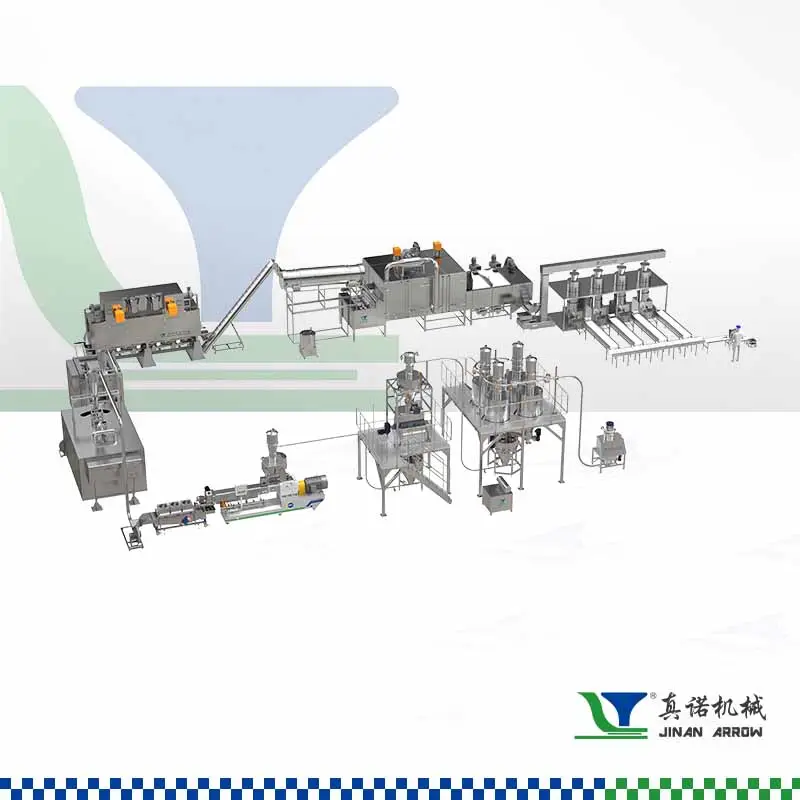
The Role of the Flaking Mill in Shaping Final Product Quality
In my experience working with breakfast cereal processing projects, the flaking mill is one of the most decisive components in a corn flakes production line. While upstream processes such as mixing, cooking, and extrusion prepare the material, it is the flaking stage that ultimately determines the appearance, thickness, and texture of the final corn flakes.
A flaking mill works by compressing cooked corn grits or pellets into thin flakes through a pair of precisely controlled rollers. This step may sound simple, but it directly affects product uniformity and consumer perception. If the flakes are too thick, they may not toast properly; if too thin, they can break easily during handling and packaging. In practical production, achieving consistent flake thickness is essential for both product quality and processing efficiency, making the flaking mill a central element in any reliable corn flakes production line.
How the Flaking Process Impacts Texture and Taste
The texture of corn flakes—whether crisp, light, or dense—is largely determined during the flaking stage. In a well-designed corn flakes production line, the flaking mill ensures that each piece has a uniform structure, allowing for even heat distribution in the subsequent drying and toasting stages.
From a technical perspective, the pressure applied by the rollers influences starch structure and moisture distribution. Proper compression creates a thin, layered structure that expands slightly during toasting, resulting in the characteristic crispness consumers expect. If the flaking process is inconsistent, the final product may have uneven texture, with some flakes turning overly hard while others remain soft.
In real-world operations, operators often fine-tune roller gap and pressure settings based on raw material conditions. This highlights how the flaking mill is not just a mechanical component but also a critical control point within the corn flakes production line.
Integration with Upstream and Downstream Equipment
A flaking mill does not operate in isolation. Its performance depends heavily on the quality of input material and directly affects downstream processes. In a typical corn flakes production line, cooked corn grits must have the right moisture content and plasticity before entering the flaking mill. If the material is too dry, it will crack instead of forming flakes; if too moist, it may stick to the rollers.
After flaking, the product moves to drying and toasting equipment. Uniform flakes produced by a properly adjusted flaking mill ensure efficient drying and consistent color development during toasting. This reduces energy waste and minimizes product rejection rates.
Based on industry practices, manufacturers often emphasize the synchronization between cooking systems, flaking mills, and ovens. A well-integrated corn flakes production line ensures that each stage supports the next, with the flaking mill acting as a bridge between material preparation and final product formation.
Operational Stability and Production Efficiency
Another key reason the flaking mill is vital lies in its impact on overall production stability. In continuous production environments, even minor fluctuations in flake thickness can lead to significant downstream issues, including uneven drying or packaging inefficiencies.
From my observation in factory settings, a stable flaking mill setup reduces downtime and improves yield. Consistent operation minimizes breakage, which not only improves product quality but also reduces waste. In large-scale corn flakes production line operations, this can translate into substantial cost savings over time.
Additionally, modern flaking mills are designed for durability and ease of adjustment, allowing operators to respond quickly to changes in raw materials or production requirements. This flexibility is crucial for manufacturers who need to maintain consistent quality across different batches.
Why the Flaking Mill Defines Product Consistency
Ultimately, the flaking mill plays a defining role in ensuring consistency in a corn flakes production line. While other equipment contributes to cooking and shaping, the flaking stage is where the product takes its final recognizable form.
Consistency is especially important for brands aiming to meet consumer expectations and regulatory standards. Uniform size, shape, and texture are key quality indicators in the cereal industry. The flaking mill ensures that these parameters are controlled within a narrow range, supporting both product quality and brand reliability.
In conclusion, the flaking mill is not just another piece of equipment—it is a critical control point that influences nearly every aspect of the final product. Investing in proper operation and maintenance of this component is essential for any efficient and high-quality corn flakes production line.
Frequently Asked Questions (FAQ)
Q1. What happens if the flaking mill is not properly adjusted?
A: If the flaking mill is not correctly set, the flakes may be uneven in thickness, leading to inconsistent texture and poor toasting results. This can negatively affect overall product quality.
Q2. Can the flaking mill handle different types of raw materials?
A: Yes, but the material must be properly prepared. Moisture content and cooking conditions need to be adjusted to ensure the material is suitable for flaking in a corn flakes production line.
Q3. How often should a flaking mill be maintained?
A: Regular maintenance is essential. Routine inspection and cleaning help prevent wear and ensure stable performance, which is critical for consistent production.