 EN
EN

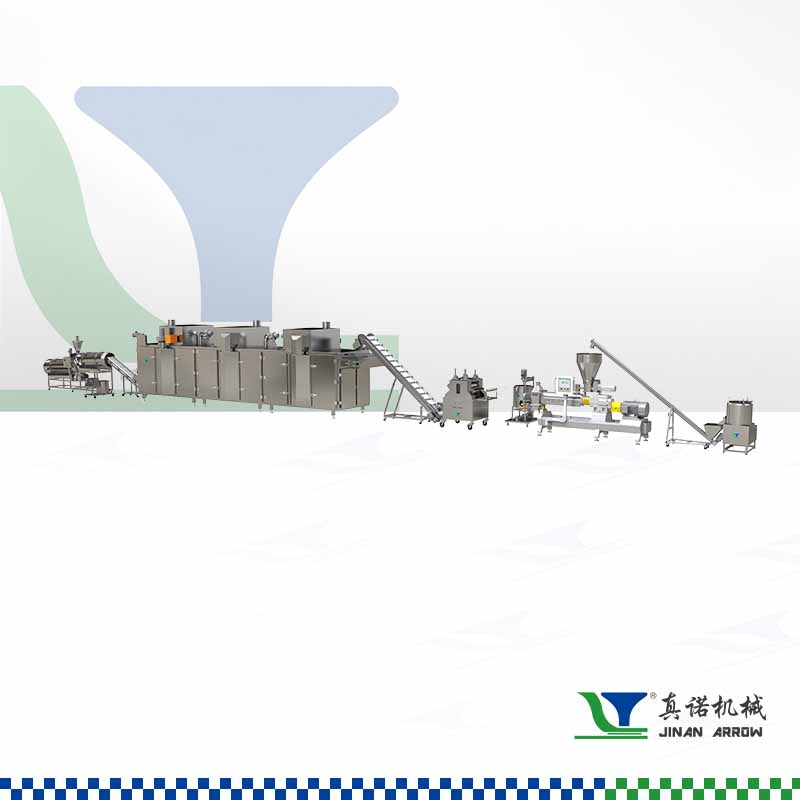
Investing in food processing technology is a significant milestone for any growing snack business. For many entrepreneurs, the central question remains: What is the ROI of a small scale corn puff machine? In the industrial landscape, Return on Investment (ROI) isn't just about the initial purchase price; it’s about the synergy between operational efficiency, raw material utilization, and the ability to meet market demand with consistent quality. Based on our extensive experience in food engineering and snack production, a well-implemented extrusion line can transform low-cost grains into high-value consumer products with a remarkably short payback period.
Low Initial Investment and Scalable Growth
One of the most compelling aspects of a small scale corn puff machine is its accessibility for startups and small to medium enterprises (SMEs). Unlike massive, multi-million dollar industrial complexes, a small-scale line offers a lower barrier to entry while maintaining professional-grade output. In our field observations, businesses that start with a targeted capacity—typically ranging from 100kg/h to 150kg/h—manage their cash flow more effectively during the critical first year.
This initial investment covers the core components: the mixer, the screw conveyor, the extruder, and the seasoning line. By choosing a system with a power rating of approximately 22kW to 30kW for the main motor, manufacturers ensure they have enough torque for continuous extrusion without the prohibitive electricity costs of larger industrial motors. This "right-sizing" of the equipment directly accelerates the ROI by reducing monthly overhead and allowing the business to become profitable faster. As the brand establishes its market presence, the modular nature of these lines allows for future expansion without discarding the initial investment.
High Value-Addition through Raw Material Conversion
The true secret to the profitability of a corn puff machine lies in the massive price gap between raw materials and the finished product. Corn grits or corn flour are relatively inexpensive commodities worldwide. However, through the process of high-temperature, high-pressure extrusion, these simple grains are transformed into light, crispy, and flavorful snacks that command a premium price on retail shelves.
From a technical expertise standpoint, the extrusion process effectively "cooks" the starch in a matter of seconds. This efficiency means that for every kilogram of corn flour put into the system, you receive nearly a kilogram of finished product (minus a small percentage of moisture loss). When you factor in the low cost of flavorings and seasonings, the profit margin per bag is substantial. We have seen partners achieve a full return on their machinery investment within 6 to 10 months of consistent operation, simply by focusing on high-demand localized flavors and efficient distribution channels.
Operational Reliability and Reduced Labor Costs
In a professional manufacturing environment, downtime is the enemy of ROI. A high-quality corn puff machine constructed from SUS304 stainless steel is built for durability and food safety. Stainless steel not only meets international hygiene standards like HACCP but also resists the wear and tear associated with 24/7 production cycles. Reliability ensures that your production schedule remains on track, preventing lost revenue from missed deliveries.
Furthermore, modern automated extrusion lines significantly reduce the need for manual labor. A single operator can often monitor the entire process from mixing to flavoring. By automating the transition from the extruder to the seasoning drum, you eliminate the inconsistencies and labor costs associated with manual handling. This reduction in headcount directly improves your bottom line. Furthermore, using a machine with precise temperature controls (typically integrated into the control cabinet) ensures that the expansion rate of the corn puff remains uniform, reducing product waste and ensuring that every bag meets quality standards.
Market Adaptability and Product Diversity
ROI is also driven by the machine's ability to stay relevant in a changing market. A versatile corn puff machine allows you to change the "die" or mold at the front of the extruder to create various shapes—such as balls, rings, sticks, or stars—without needing to buy an entirely new production line. This flexibility is a major asset for a small-scale business.
If consumer trends shift from simple salty snacks to sweet-coated puffs or nutritional grain-based snacks, the automated seasoning system and the adjustable parameters of the extruder allow for quick pivots. This adaptability prevents the machinery from becoming an "obsolete asset." By staying ahead of market trends and utilizing the technical capabilities of the extrusion line to create diverse product portfolios, manufacturers can maintain high sales volumes year-round. This sustained revenue stream is what ultimately secures the long-term profitability of the venture.
Frequently Asked Questions (FAQ)
Q1: What is the estimated payback period for a small scale corn puff machine?
A: While results vary based on local market conditions and distribution efficiency, most well-managed small-scale operations see a full return on equipment investment within 6 to 12 months. This is driven by the low cost of corn raw materials compared to the retail value of packaged snacks.
Q2: How many people are required to operate the production line?
A: An automated small-scale line typically requires only 2 to 3 workers: one to monitor the mixer and extruder, and one or two for the packaging and quality check stages. This low labor requirement helps maintain high profitability.
Q3: Can I use the same corn puff machine to produce different flavors and shapes?
A: Yes. Shapes are changed by replacing the die/mold at the extruder head, which is a quick and simple process. Flavors are managed in the final seasoning drum, allowing you to switch between savory, spicy, or sweet coatings easily for different product batches.