 EN
EN

स्केल करने के समय और तरीके को समझना
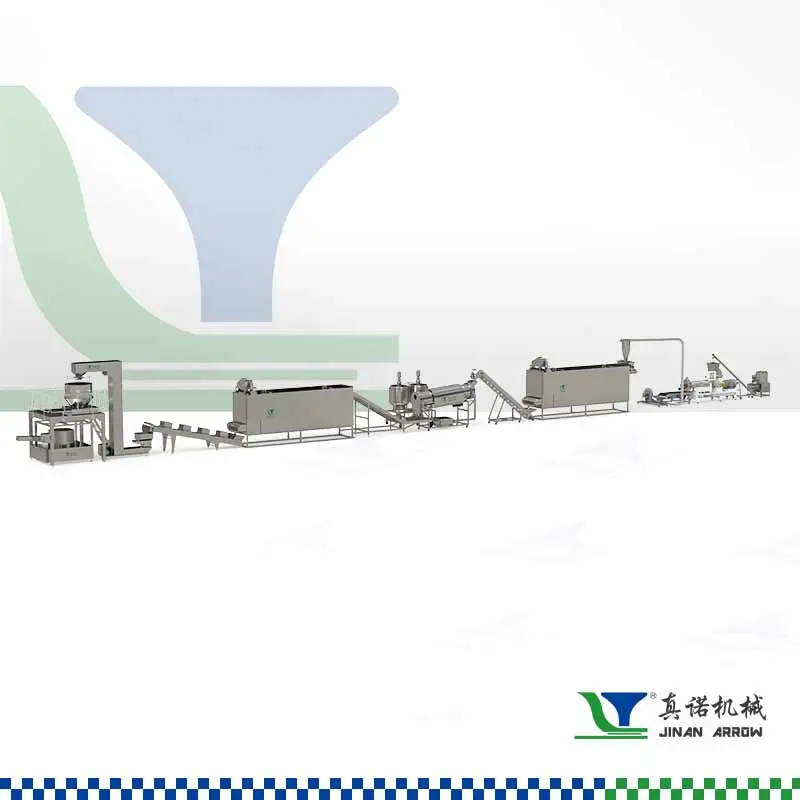
कॉर्न फ्लेक्स के उत्पादन लाइन को स्केल अप करना आमतौर पर केवल एक बड़ी मशीन खरीदने का सरल मामला नहीं होता है। जिन औद्योगिक खरीदारों और उत्पादन प्रबंधकों के सामने ऑर्डर की मात्रा में वृद्धि की समस्या आती है, उन्हें उपकरण संगतता, स्थान की सीमाएँ, उपयोगिता अवसंरचना और उत्पाद गुणवत्ता के स्थिरता जैसे जटिल कारकों के जाल में नेविगेट करना पड़ता है। विस्तार का निर्णय लाइन के प्रत्येक चरण को स्पर्श करता है — कच्चे माल के हैंडलिंग और एक्सट्रूज़न से लेकर फ्लेकिंग, ड्रायिंग, बेकिंग, कोटिंग और पैकेजिंग तक। एक खराब योजना बनाई गई स्केल-अप नए बॉटलनेक्स का कारण बन सकती है, जो एक बड़े एक्सट्रूडर से प्राप्त क्षमता वृद्धि को रद्द कर दे सकती है, जबकि एक अच्छी तरह से कार्यान्वित विस्तार एक ही कारखाने के क्षेत्रफल के भीतर उत्पादन को दोगुना या तिगुना कर सकता है।
एक्सट्रूडर का आकार निर्धारित करना — मुख्य निर्णय
ट्विन-स्क्रू एक्सट्रूडर कॉर्न फ्लेक्स उत्पादन लाइन का हृदय है, और इसकी क्षमता मूल रूप से लाइन की अधिकतम क्षमता निर्धारित करती है। कॉर्न फ्लेक्स अनुप्रयोगों के लिए विशिष्ट एक्सट्रूडर क्षमताएँ एक संकुचित मॉडल जैसे ETT65-20D के लिए 200 किग्रा/घंटा से लेकर बड़े पैमाने के ETT98-28D के लिए 2,500 किग्रा/घंटा तक होती हैं, जबकि WTT80 मध्यम से बड़े पैमाने के संचालन के लिए 1,000 से 1,500 किग्रा/घंटा की क्षमता प्रदान करता है। हालाँकि, एक्सट्रूडर का चयन केवल उसकी नामपट्टिका क्षमता के आधार पर करना एक सामान्य गलती है। प्रभावी थ्रूपुट विशिष्ट रेसिपी पर निर्भर करता है — उच्च-फाइबर या उच्च-प्रोटीन सूत्र 70–80% के दायरे में एक्सट्रूडर की दर्ज कॉर्न-आधारित क्षमता के सापेक्ष प्रसंस्करण कर सकते हैं। खरीदारों को अंतिम एक्सट्रूडर विनिर्देशों को तय करने से पहले अपने निर्धारित अनाज मिश्रण के साथ परीक्षण चलाने का अनुरोध करना चाहिए। इसके अतिरिक्त, एक्सट्रूडर की स्क्रू विन्यास और बैरल की लंबाई-से-व्यास अनुपात (L/D अनुपात) यह निर्धारित करते हैं कि आपूर्ति किए गए पदार्थ को कितनी यांत्रिक ऊर्जा प्रदान की जा सकती है, जो थ्रूपुट और उत्पाद की गुणवत्ता दोनों को प्रभावित करती है। एक लंबा L/D अनुपात और विशिष्ट कणिका-मिश्रण क्षेत्र उच्च फीड दरों पर स्टार्च जेलेटिनाइज़ेशन को बेहतर बनाने में सहायता कर सकते हैं, जिससे एक ऐसी लाइन के बीच अंतर होता है जो तेज़ी से चलती है और एक ऐसी लाइन जो तेज़ी से चलती है तथा लगातार कुरकुरे फ्लेक्स का उत्पादन करती है।
डाउनस्ट्रीम उपकरण: बोटलनेक ट्रैप से बचना
एक्सट्रूडर का स्केलिंग करना, जबकि डाउनस्ट्रीम उपकरणों का स्केलिंग नहीं किया जाता है, विस्तार की विफलता का सबसे आम कारण है। फ्लेकिंग मशीन को बढ़े हुए आटे के आउटपुट को समान पत्ती एकरूपता के बिना संभालने में सक्षम होना चाहिए। यदि मौजूदा फ्लेकिंग रोलर्स उच्च उत्पादन क्षमता को उसी गुणवत्ता के साथ संसाधित नहीं कर सकते हैं, तो परिणामस्वरूप असमान फ्लेक मोटाई होती है — कुछ बहुत मोटे और चबाने में कठिन, जबकि अन्य बहुत पतले और टूटने के लिए प्रवण। पूर्व-शुष्ककर्ता और बेकिंग ओवन एक अलग चुनौती प्रस्तुत करते हैं: उनकी क्षमता बेल्ट की चौड़ाई, बेल्ट की गति और तापमान क्षेत्रों की संख्या पर निर्भर करती है। एक्सट्रूडर आउटपुट के दोगुना होने पर ओवन बेल्ट क्षेत्रफल में 50–70% की वृद्धि की आवश्यकता हो सकती है, जो सरल रूप से 100% समानुपातिक वृद्धि नहीं है, क्योंकि उत्पादन क्षमता और शुष्कन समय के बीच का संबंध गैर-रैखिक है। कोटिंग्स और अंतिम शुष्कन को भी सावधानीपूर्ण पुनः कैलिब्रेशन की आवश्यकता होती है। 500 किग्रा/घंटा पर अच्छी तरह काम करने वाला कोटिंग ड्रम, 1,000 किग्रा/घंटा पर असमान कोटिंग उत्पन्न कर सकता है यदि स्प्रे प्रणाली चौड़े उत्पाद प्रवाह के ऊपर सिरप को पर्याप्त तेज़ी से वितरित नहीं कर सकती है।
उपयोगिता और बुनियादी ढांचे की योजना
कई स्केल-अप परियोजनाएँ उपकरणों की सीमाओं के कारण नहीं, बल्कि अपर्याप्त उपयोगिताओं के कारण अटक जाती हैं। 1,000 किग्रा/घंटा की क्षमता वाली एक कॉर्न फ्लेक्स उत्पादन लाइन के लिए आमतौर पर 250–400 किलोवाट की स्थापित विद्युत शक्ति, तापन और संतुलन के लिए 800–1,200 किग्रा/घंटा भाप, और पनियमिक परिवहन तथा नियंत्रण प्रणालियों के लिए महत्वपूर्ण संपीड़ित वायु की आवश्यकता होती है। विद्युत आपूर्ति को बड़े मोटरों से उत्पन्न शिखर प्रारंभन धाराओं को ध्यान में रखना चाहिए — 200–400 किलोवाट के श्रेणी के एक्सट्रूडर्स के चालन के दौरान उनकी धारा की तुलना में प्रारंभन के समय 6–8 गुना अधिक धारा आकर्षित कर सकते हैं। भाप बॉयलर की क्षमता को अधिकतम उत्पादन दर पर बेकिंग और शुष्कन चरणों के लिए आकारित किया जाना चाहिए, तथा पूर्व-तापन और भार उतार-चढ़ाव के लिए 20–30% की सुरक्षा सीमा भी जोड़ी जानी चाहिए। संपीड़ित वायु की आवश्यकताओं का अकसर अंदाजा कम लगाया जाता है: बेकिंग से कोटिंग और फिर पैकेजिंग तक कॉर्न फ्लेक्स के पनियमिक परिवहन के लिए स्थिर वायु दबाव और मात्रा की आवश्यकता होती है, और उच्चतम उत्पादन के दौरान कोई भी गिरावट उत्पाद जाम और अवरोध का कारण बन सकती है।
चरणबद्ध विस्तार: नियंत्रित वृद्धि का एक उदाहरण
पश्चिम अफ्रीका में एक नाश्ते के अनाज के निर्माता के पास 500 किग्रा/घंटा की कॉर्न फ्लेक्स उत्पादन लाइन थी, जिसे क्षेत्रीय सुपरमार्केट के बढ़ते अनुबंधों को पूरा करने के लिए तीन वर्षों के भीतर 1,500 किग्रा/घंटा तक पहुँचाने की आवश्यकता थी। पूरी लाइन को एक साथ बदलने के बजाय, कंपनी ने तीन चरणों के दृष्टिकोण को अपनाया। चरण एक में मूल एकल-स्क्रू एक्सट्रूडर को 300–1,000 किग्रा/घंटा क्षमता वाली ETT78-20D ट्विन-स्क्रू इकाई से प्रतिस्थापित किया गया, जिससे तुरंत उत्पादन 800 किग्रा/घंटा तक बढ़ गया, जबकि मौजूदा फ्लेकिंग और ड्रायिंग उपकरणों को बनाए रखा गया — हालाँकि प्री-ड्रायर को उच्च उत्पादन क्षमता को संभालने के लिए अतिरिक्त वायु नोजल के साथ पुनर्व्यवस्थित किया गया। बारह महीने बाद चरण दो में पहले ओवन के श्रेणी में दूसरा बेकिंग ओवन जोड़ा गया, जिससे बेकिंग क्षमता दोगुनी हो गई। चरण तीन में फ्लेकिंग मशीन को एक चौड़े मॉडल से प्रतिस्थापित किया गया और कोटिंग तथा अंतिम ड्रायिंग खंडों को अपग्रेड किया गया। चरणबद्ध दृष्टिकोण ने कंपनी को प्रत्येक चरण के लिए संचालन आय से धन जुटाने की अनुमति दी, उत्पादन में विराम को न्यूनतम किया और ऑपरेटरों को अगले अपग्रेड से पहले प्रत्येक नए उपकरण को सीखने के लिए समय प्रदान किया।
निवेश योजना और आरओआई (ROI) पर विचार
1,000–1,500 किग्रा/घंटा क्षमता वाली एक पूर्ण कॉर्न फ्लेक्स उत्पादन लाइन एक महत्वपूर्ण पूंजी निवेश का प्रतिनिधित्व करती है, जो स्वचालन के स्तर, सहायक उपकरणों और स्थापना के दायरे के आधार पर आमतौर पर 3,00,000 अमेरिकी डॉलर से 8,00,000 अमेरिकी डॉलर के बीच होती है। खरीदारों को केवल उपकरण की खरीद मूल्य का ही मूल्यांकन नहीं करना चाहिए, बल्कि स्थापना लागत (जो अक्सर उपकरण लागत का 15–25% होती है), प्रशिक्षण, स्पेयर पार्ट्स का स्टॉक और परिवर्तन अवधि के दौरान खोए गए उत्पादन मूल्य का भी मूल्यांकन करना चाहिए। एक अच्छी तरह से योजना बनाई गई स्केल-अप प्रक्रिया का लक्ष्य 18–36 महीनों के भीतर आरओआई (ROI) प्राप्त करना होना चाहिए, जो बढ़े हुए उत्पादन और प्रति इकाई उत्पादन लागत में कमी पर आधारित हो। इंजीनियरिंग डिज़ाइन, उपकरण निर्माण, स्थापना पर्यवेक्षण और ऑपरेटर प्रशिक्षण को संभालने वाले टर्न-की प्रोजेक्ट आपूर्तिकर्ता लागत अतिव्यय और समयसीमा में देरी के जोखिम को कम कर सकते हैं।
स्केल-अप के दौरान संरक्षित करने के लिए प्रमुख गुणवत्ता मापदंड
जैसे-जैसे उत्पादन क्षमता (थ्रूपुट) बढ़ती है, मकई के फ्लेक्स की एकसमान क्रंचीनेस (कुरकुरापन), रंग की एकरूपता और नमी सामग्री को बनाए रखना अधिक कठिन हो जाता है। स्केल-अप के दौरान दो पैरामीटर्स पर विशेष ध्यान देने की आवश्यकता होती है: प्री-ड्रायर से निकलने वाले फ्लेक्स की नमी प्रोफाइल, जो प्री-एक्सपैंशन बेसलाइन के 2% के भीतर बनी रहनी चाहिए, और बेकिंग तापमान वक्र, जिसे नई बेल्ट गति के अनुसार पुनः प्रोफाइल करने की आवश्यकता होती है। एक सामान्य विफलता का रूप यह है कि ओवन को उच्च उत्पादन क्षमता पर चलाने पर बेकिंग बेल्ट का केंद्र, किनारों की तुलना में अधिक गर्म हो जाता है, जिससे उत्पाद स्ट्रीम में रंग की असमानता उत्पन्न होती है। बेल्ट की चौड़ाई के विभिन्न बिंदुओं पर अतिरिक्त तापमान सेंसर स्थापित करना और स्वचालित फीडबैक नियंत्रण लागू करना इस समस्या का समाधान कर सकता है। प्रसार के बाद पहले महीने के दौरान कम से कम प्रत्येक घंटे पर नियमित टेक्सचर विश्लेषण परीक्षण — शिखर भंग बल को मापना — किया जाना चाहिए, ताकि यह पुष्टि की जा सके कि क्रंचीनेस के लक्ष्यों को बनाए रखा गया है।
विषय-सूची
- स्केल करने के समय और तरीके को समझना
- एक्सट्रूडर का आकार निर्धारित करना — मुख्य निर्णय
- डाउनस्ट्रीम उपकरण: बोटलनेक ट्रैप से बचना
- उपयोगिता और बुनियादी ढांचे की योजना
- चरणबद्ध विस्तार: नियंत्रित वृद्धि का एक उदाहरण
- निवेश योजना और आरओआई (ROI) पर विचार
- स्केल-अप के दौरान संरक्षित करने के लिए प्रमुख गुणवत्ता मापदंड