 EN

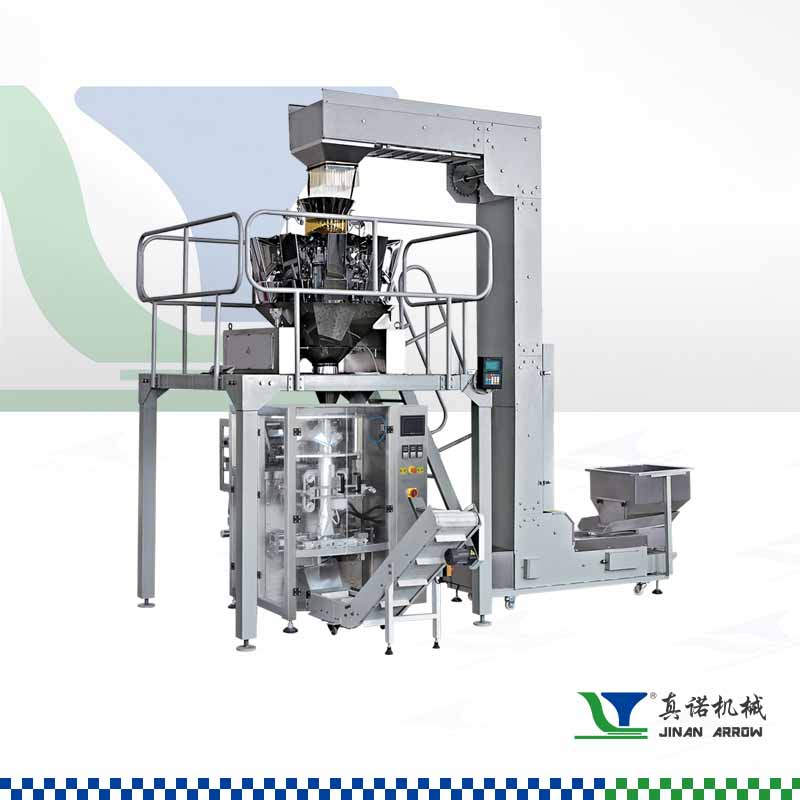
Core Components of a Bread Crumb Machine Line
Extruder, dryer, cooler, grinder, and screener: Function and interdependence
The core of any bread crumb machine line is the integrated sequence of extruder, dryer, cooler, grinder, and screener—each engineered for a critical transformation. The extruder forces stale bread through a die to form uniform pellets, which then enter the dryer. There, controlled heat reduces moisture to the precise level required for crisp crumb texture; even slight deviations compromise final consistency. Post-drying, the cooler rapidly brings pellets to ambient temperature, preventing clumping and preserving structural integrity. Next, the grinder fractures the cooled pellets into the target crumb size, while the screener classifies the output—rejecting oversized particles and ensuring tight particle distribution.
These five components are not standalone units but rely on synchronized throughput and seamless transfer points. A mismatch—such as a dryer unable to keep pace with extruder output or a grinder outpacing the screener—causes bottlenecks, overgrinding, or excess fines. Modern lines use variable-speed drives and integrated control logic to balance feed rates, temperature, and residence times across the entire system. This alignment directly influences yield, product quality, and energy efficiency—making it a foundational design requirement.
PLC‑controlled automation: HMI interface, sensor feedback, and real‑time process monitoring
The brain of the bread crumb machine line is its Programmable Logic Controller (PLC)–driven automation system, unifying the Human-Machine Interface (HMI), sensor network, and real-time monitoring to deliver precision and repeatability. Operators interact via an intuitive touchscreen HMI to set parameters, view live data, and respond to alerts. Meanwhile, sensors monitor temperature, moisture, vibration, motor load, and gate positions—feeding continuous data to the PLC. This enables instantaneous, closed-loop adjustments: if exhaust temperature in the dryer drifts, the PLC modulates heat input or conveyor speed to maintain target moisture without manual intervention.
Real-time monitoring also supports predictive maintenance—analyzing trends like rising motor current can flag bearing wear before failure, enabling scheduled repairs instead of unplanned shutdowns. Such automation enhances crumb uniformity across batches and cuts labor requirements significantly. By consolidating oversight into a single interface, the system reduces manual checks, accelerates response to deviations, and strengthens operational control.
Step-by-Step Workflow of an Automatic Bread Crumb Machine Line
The entire bread crumb machine line is engineered to convert stale bread into uniform, shelf-stable crumbs without manual intervention. A seamless, integrated workflow balances throughput with consistent quality.
Material flow: Stale bread → extrusion → drying → cooling → grinding → screening
Stale bread enters the hopper and is conveyed to the extruder, where rotating screws force it through dies to form uniform strips. These feed directly into a multi-zone hot-air dryer that reduces moisture from ~35% to below 8% in under 20 minutes—a performance benchmark validated by recent baking technology studies. After drying, a forced-air cooler brings the product to ambient temperature, preventing condensation during milling.
The cooled material passes to a hammer or roller grinder, reducing it to the target crumb size. A vibrating screener then separates the output into fines, medium, and coarse fractions. Integrated sieves and recirculation loops return oversized particles automatically to the grinder. Closed-loop screening achieves over 98% particle-size uniformity, eliminating off-line reprocessing.
Design principle: Minimizing manual handling through seamless, integrated conveyance
Every transition between unit operations uses interlocked belt or pneumatic conveyors—eliminating scooping, dumping, or manual transfer. Smart sensors at key junctions detect blockages and adjust upstream feeding rates instantly, preserving steady material flow. This design reduces direct human contact with the product by approximately 75% compared to semi-manual setups, lowering contamination risk and labor costs.
The entire line is managed from a central HMI, where operators monitor real-time throughput, temperature profiles, and screener vibration amplitude. Adjustments—such as modifying grinder speed for finer crumbs—are executed with a few screen touches. By linking all motors and sensors over a common fieldbus, the system ensures each machine’s status triggers the appropriate response in the next, sustaining a fully hands-free process from raw bread to finished crumb.
Selecting and Configuring Your Bread Crumb Machine Line
Continuous extruded vs. traditional oven-toasted breadcrumb production: Capacity, consistency, and ROI comparison
When configuring an automatic bread crumb machine line, the primary decision is between continuous extrusion and batch oven-toasting—each suited to different scale, quality, and economic priorities. A 2023 industry survey of bakeries and crumb processors found continuous extruded lines deliver superior throughput and consistency, while oven-toasting remains viable for smaller, artisanal operations.
| Dimension | Continuous Extruded Line | Traditional Oven‑Toasted |
|---|---|---|
| Throughput (kg/hr) | 500 – 2,000 | 100 – 400 |
| Energy (kWh/ton) | 180 – 220 | 250 – 320 |
| Crumb uniformity (%) | ≥ 95 | 70 – 80 |
| Labor (operators/shift) | 1 – 2 (PLC‑controlled) | 3 – 5 (manual loading/unloading) |
| Typical ROI timeline | 18 – 24 months | 24 – 36 months |
Continuous systems shape and partially cook dough in one pass, followed by inline drying, cooling, and grinding—eliminating batch variability. Oven-toasted methods require baking whole loaves first, then cooling, grinding, and screening—introducing more handling steps and inconsistency. PLC-controlled extruded lines leverage real-time sensor feedback to maintain precise moisture and temperature, boosting final crumb quality and reducing material waste by up to 12%, according to Baker’s Journal (2022). For mid- to large-scale operations, the higher initial investment is offset by lower energy use, reduced labor, and greater production agility—making continuous extrusion the preferred path for sustainable growth.
Key Considerations for Reliable Bread Crumb Machine Line Operation
A dependable bread crumb machine line depends on hygienic design, proactive maintenance, and skilled operation. Choose equipment built to food-safety standards—with fully sealed bearings, sloped surfaces, quick-release guards, and removable crumb drawers—to prevent accumulation and cross-contamination, and enable daily cleaning without full disassembly.
Daily inspection and scheduled replacement of high-wear components—especially grinder blades and dryer belts—maintain nameplate capacity and avoid unplanned stops. Well-designed access points—such as for the extruder die, cooler coils, and screener mesh—ensure routine checks take minutes, not hours.
Operator training must extend beyond startup procedures to include sensor calibration, alarm interpretation, and basic troubleshooting. When crews recognize early signs of deviation—like a pressure or temperature drift—and intervene before quality slips, consistency remains high. Together, these practices extend equipment life, minimize waste, and ensure the bread crumb machine line delivers the throughput and particle uniformity your operation depends on.
FAQ
What are the key components of a bread crumb machine line?
The main components include the extruder, dryer, cooler, grinder, and screener. They work together to process stale bread into stable and uniform bread crumbs.
How does PLC-controlled automation enhance efficiency?
PLC-driven automation integrates real-time monitoring, sensor feedback, and human-machine interfaces to ensure consistent quality, faster troubleshooting, and predictive maintenance.
What is the difference between continuous extruded and oven-toasted breadcrumb production?
Continuous extrusion achieves higher throughput, consistency, and ROI, while oven-toasting is suitable for smaller-scale operations with lower initial investment requirements.
How do conveyors improve the workflow of a bread crumb machine line?
Interlocked conveyors reduce manual handling by ensuring seamless material flow, which lowers labor costs and contamination risks while improving efficiency.
What maintenance practices can ensure smooth machine line operation?
Daily inspections, replacing worn components on schedule, and operator training in troubleshooting and sensor calibration are critical practices for reliability.
Table of Contents
- Core Components of a Bread Crumb Machine Line
- Step-by-Step Workflow of an Automatic Bread Crumb Machine Line
- Selecting and Configuring Your Bread Crumb Machine Line
- Key Considerations for Reliable Bread Crumb Machine Line Operation
-
FAQ
- What are the key components of a bread crumb machine line?
- How does PLC-controlled automation enhance efficiency?
- What is the difference between continuous extruded and oven-toasted breadcrumb production?
- How do conveyors improve the workflow of a bread crumb machine line?
- What maintenance practices can ensure smooth machine line operation?